Home Insurance in Southern Oregon: What Property Owners Need to Know in 2026
Wildfire risk is reshaping the insurance landscape across Jackson and Josephine Counties. For absentee owners and investors, understanding the changes is just as important as maintaining the property itself.

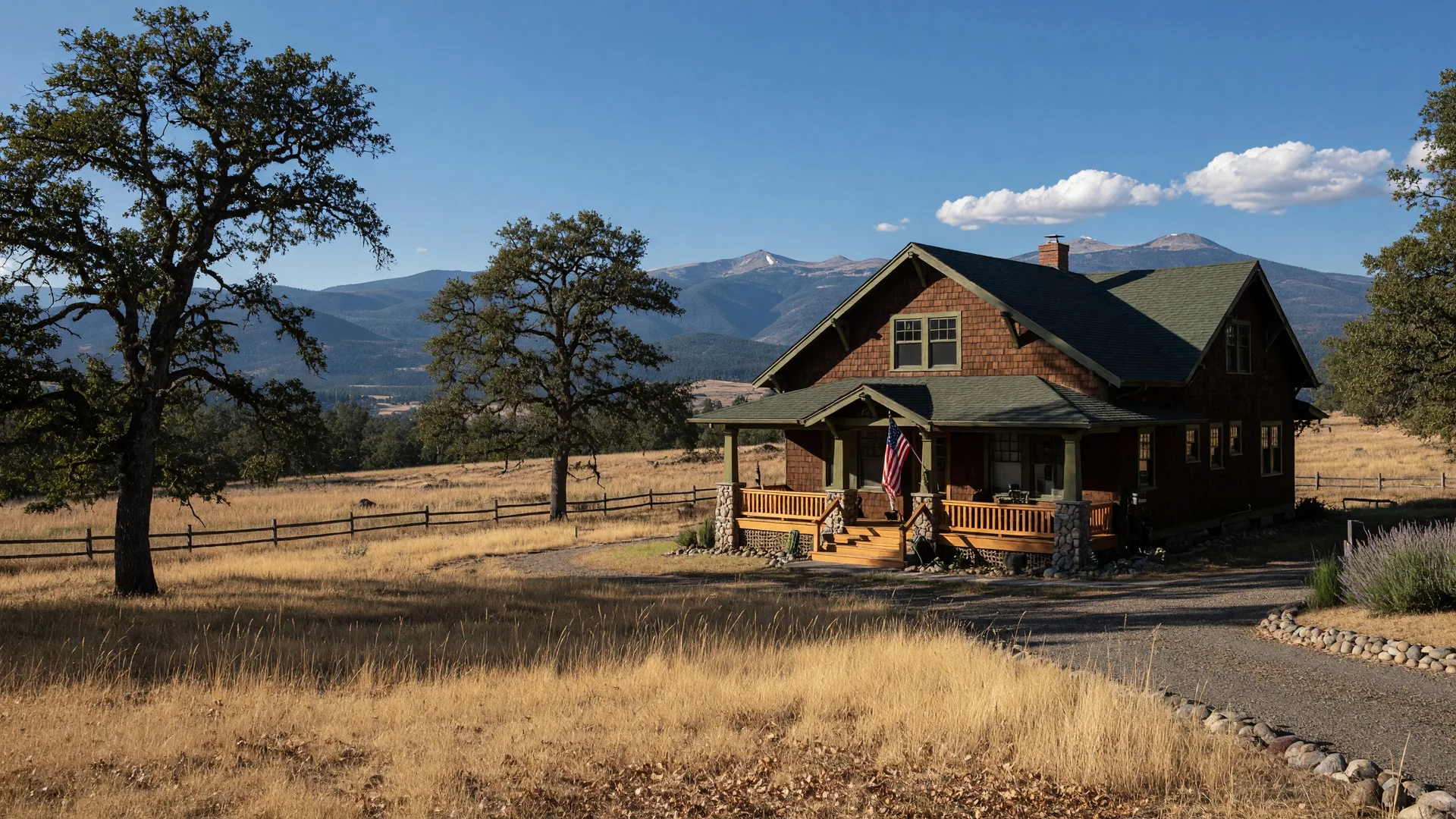
A call came in last week from a client in California. They own a home in Jackson County that has been in the family for years, and their insurance carrier just sent a non-renewal notice. No warning, no negotiation, just a letter saying coverage would end in 60 days. They wanted to know: what are the options? What happens to the property if they cannot get insured? And should they sell?
That call is not unusual anymore. Over the past year, I have had versions of the same conversation with absentee owners, investors, and even local sellers who suddenly found themselves navigating an insurance market that has shifted beneath their feet. After over 30 years in real estate, I can tell you this: the insurance side of property ownership used to be an administrative detail. In Southern Oregon in 2026, it has become a strategic factor that can determine whether a sale goes through, whether an investment pencils out, and whether a property is worth holding at all.
What Is Happening to Home Insurance in Southern Oregon
Wildfire risk has fundamentally changed how insurers evaluate properties in Jackson and Josephine Counties. Since the 2020 Labor Day fires, several major carriers have restricted new policies in areas classified as high-risk on Oregon's state wildfire hazard maps, which were finalized in January 2025. Non-renewals have become more common, particularly for properties in the wildland-urban interface where homes sit alongside forested or brush-covered land.
The numbers tell the story. Oregon's FAIR Plan, the state's insurer of last resort for property owners who cannot find coverage in the private market, has seen enrollment climbing steadily since 2021 and now insures roughly 2,400 residential properties statewide. While that is still a small fraction of Oregon's total homeowner households, the trend is upward, and a disproportionate share of those policies are written in Southern Oregon's most fire-exposed counties.
Statewide, the average annual homeowners insurance premium for a $500,000 dwelling policy is approximately $1,847. In high-risk zones of the Rogue Valley, premiums can run significantly higher, and some properties are being declined outright.
The Oregon FAIR Plan: What It Covers and What It Does Not
The FAIR Plan is often the policy of necessity for absentee-owned properties in higher-risk areas, but it is important to understand what it provides. FAIR Plan coverage is limited to basic perils: fire, lightning, internal explosion, smoke, vandalism, and malicious mischief. It does not automatically include theft, liability coverage, water damage from burst pipes, or personal property protection. For absentee owners, that gap matters. A vacant home that suffers a leak during the winter, for example, would not be covered for water damage under a standard FAIR Plan policy.
Some property owners layer a separate difference-in-conditions or liability policy on top of their FAIR Plan coverage. Others turn to surplus-lines carriers, which operate outside the standard insurance market and are not backed by the Oregon Insurance Guaranty Association if the carrier becomes insolvent. Each option carries trade-offs, and the right choice depends on the specific property, its location, and the owner's goals.
If you are an absentee owner who has been non-renewed, you typically have 30 to 60 days to find replacement coverage. That window can close quickly, especially during fire season when carriers are most cautious. Acting ahead of a non-renewal notice is always better than reacting to one.
How This Affects Your Real Estate Decision
For buyers, insurance costs are now a non-negotiable part of the monthly carrying cost. A property that looks affordable on paper may carry a $300-to-$500 monthly insurance premium that shifts the math. For sellers, an uninsurable or hard-to-insure property can shrink the buyer pool, especially for out-of-area buyers who may not be familiar with the local insurance landscape.
For absentee owners, the calculus is different but equally important. If your property cannot be insured at a reasonable cost, or if coverage is only available through the FAIR Plan with limited protections, every year you hold the property carries more risk. A single uninsured event, whether fire, vandalism, or a burst pipe during a freeze, could wipe out years of equity appreciation.
Here is what I tell my clients who own property in Southern Oregon and live elsewhere:
- Know your property's wildfire hazard classification. Oregon's finalized hazard maps are publicly available. Look up the specific zone for your address so you understand how insurers are likely to view it.
- Review your policy proactively. Do not wait for a non-renewal letter. Call your agent, confirm your coverage, and ask specifically about wildfire exclusions, vacancy clauses, and whether defensible space improvements could lower your premium.
- Consider the cost of insurance in your hold-or-sell decision. If premiums have risen $1,000 or more per year and coverage is narrowing, that is a real expense that reduces your net return. For some owners, the math now favors selling while buyer demand is still strong.
- Work with a local team. An insurance agent who understands Southern Oregon's fire zones can often find coverage options that a national call center cannot. Pair them with a local broker who knows the market, and you have a team that can protect both the property and your financial position.
What Smart Property Owners Are Doing Right Now
This summer, with wildfire season already active and the East Evans Creek Fire burning in Southern Oregon, the insurance conversation is front of mind for every property owner I work with. The clients who are most prepared are the ones who treat insurance as a year-round priority, not a once-a-year bill to pay.
Here are the practical steps I recommend for absentee owners, starting today:
1. Document Everything
Take dated photographs of your property, inside and out. Store them digitally and share them with your local contact. If you ever need to file a claim, time-stamped evidence of the property's condition before an event can make the difference between a paid claim and a dispute.
2. Invest in Defensible Space
This is the single most effective step you can take to reduce your insurance risk. Clearing dead vegetation, pruning low tree branches, mowing dry grass, and cleaning gutters are not just safety measures, they are also factors that some carriers now consider in their underwriting. A property with documented defensible space may qualify for a lower premium or a policy that would otherwise be unavailable. The free defensible space assessments offered by local fire districts are a great starting point.
3. Establish Local Representation
Insurance companies want to know that a property is being maintained. For absentee owners, having a local representative who can respond to requests, coordinate inspections, and verify occupancy status is a powerful tool. I have personally coordinated insurance inspections for clients who were hours and time zones away, and in several cases, that direct communication was the difference between a policy being renewed or dropped.
4. Know Your Timeline
If you are considering selling, the insurance landscape is one more reason to plan ahead, not wait. A property with a clean insurance history and documented maintenance is more attractive to buyers and their lenders. A property that comes with a non-renewal notice or a FAIR Plan-only option may require a cash buyer or a price adjustment. The sooner you understand your position, the more flexibility you have.
"You are away. I am here. Consider it done." When an insurance issue puts your property at risk, I handle the ground work: coordinating inspections, connecting you with local agents, and making sure your investment stays protected while you focus on your life elsewhere.
What About Selling?
For some absentee owners, the insurance conversation leads naturally to a bigger question: is holding this property still the right move? I have seen many clients reach a point where the combination of rising premiums, narrowing coverage, and the annual stress of wildfire season outweighs the benefits of ownership.
Southern Oregon's real estate market in mid-2026 is balanced and active. Jackson County existing home sales rose 3.4% compared to the same period last year, and mortgage rates have eased from their 2025 highs, bringing more buyers into the market. For a well-presented property in a desirable Rogue Valley location, the conditions are favorable for a successful sale.
The question is whether those conditions work for you, in your specific situation. And the answer depends on factors that a local broker who knows the insurance landscape, the buyer pool, and the neighborhood dynamics can help you weigh. That is exactly the kind of conversation I have every day with absentee owners, and it is the kind I would welcome having with you.
The Bottom Line
Home insurance is no longer a footnote in the property ownership conversation in Southern Oregon. It is a central factor that affects affordability, insurability, and the long-term value of your investment. For absentee owners who cannot manage the details from a distance, having a trusted local partner who understands both the real estate market and the insurance landscape is not just convenient, it is essential.
If you own property in Medford, Grants Pass, Jacksonville, Eagle Point, or anywhere else in the Rogue Valley and you are feeling uncertain about your insurance position, your maintenance plan, or your overall strategy, I would welcome the chance to talk through it. No pressure, just a clear-eyed look at where things stand and what your options are.
Let Us Review Your Property Together
Whether you are dealing with a non-renewal notice, evaluating whether to sell, or simply want someone reliable looking after your Southern Oregon property, I am here. Thirty minutes is all it takes to map out a plan. And I answer my own phone.