Fall 2026 in Southern Oregon: Rent It or Sell It? A Decision Framework for Absentee Owners and Investors
For over 30 years, the most frequent question I hear from absentee owners is a simple one: should I keep renting my Southern Oregon property, or is it time to sell? This fall, with inventory building and rates holding in the mid-6% range, that question deserves an answer based on data, not guesswork. Here is how I help remote owners think through it.

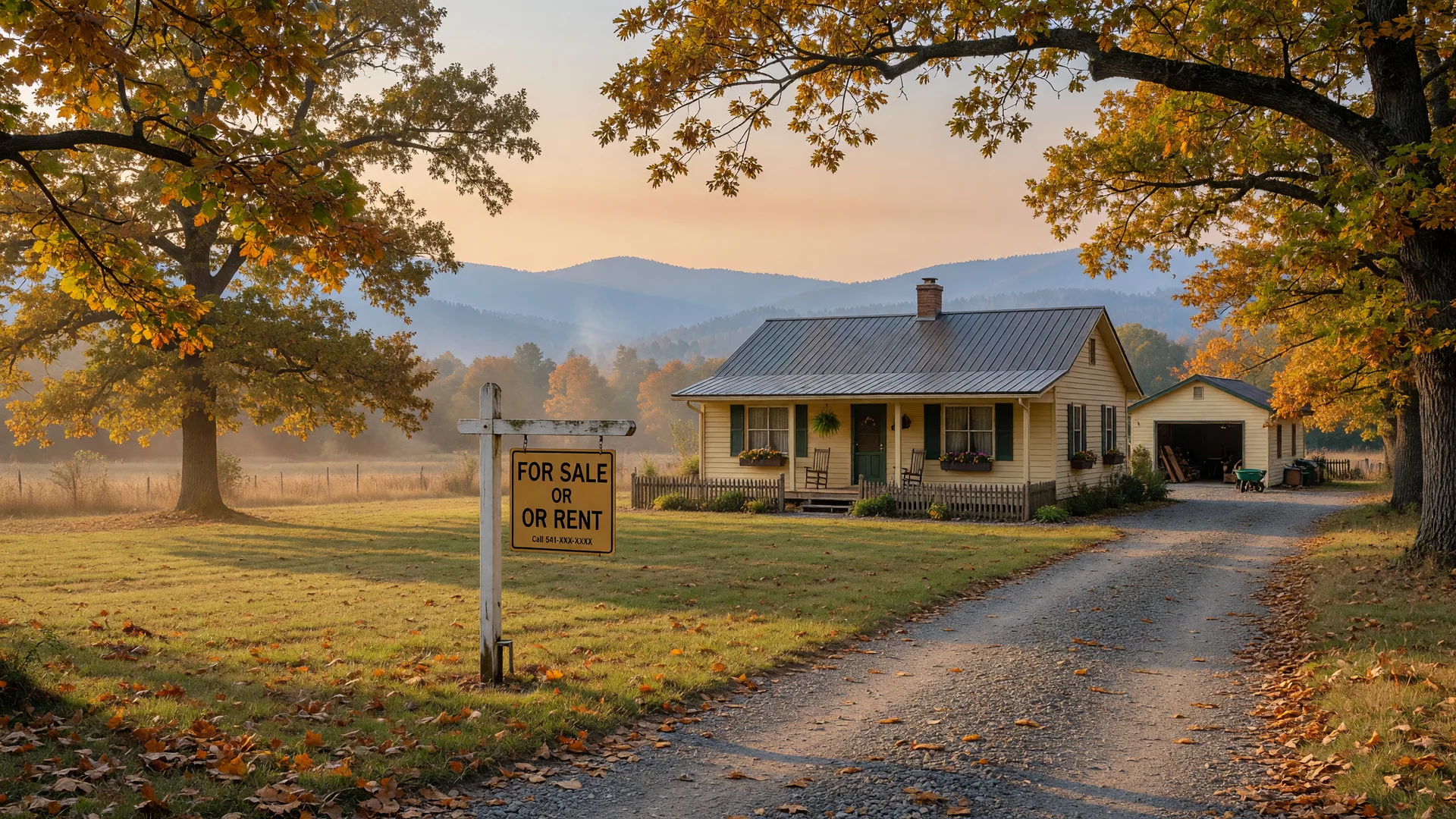
Every autumn, the phone rings a little differently. During the summer, calls tend to come from relocators who loved their visit and want to buy. By late August and September, another set of calls arrives: from property owners who live out of state, own a home in the Rogue Valley, and are trying to decide whether to keep renting it or finally sell it. If that sounds like you, you are not alone.
The Southern Oregon market has settled into what analysts call a new phase. Prices are stable. Inventory is growing. Mortgage rates are sitting in the mid-6% range. Buyers have more leverage than they did a couple of years ago, and homes are spending a bit longer on the market. None of that is bad news. It just means that decisions about a vacant or rented property now reward a clear framework instead of a gut feeling.
What the Fall 2026 Market Actually Looks Like
Before you can choose between renting and selling, it helps to understand where the market stands right now. Across the Rogue Valley, the picture is consistent with that broader shift toward balance:
- Home prices are holding steady. Medford's median sale price sits roughly in the $399,000 to $415,000 range, Grants Pass around $398,000, and Josephine County as a whole near $365,000. Jackson County existing homes have been trading around the low-to-mid $400,000s. These are not crash numbers. They are stable, predictable figures that make planning possible.
- Inventory is building. Months of supply has climbed from last year's razor-thin conditions to roughly two to three and a half months across the region. Grants Pass, for example, saw its active listings grow to well over 500, up nearly ten percent year over year. More selection means buyers take a little longer to commit, so presentation and pricing matter more than they did in the peak.
- Rates have come down and held. After drifting below 6% earlier in the year, 30 year fixed rates have settled closer to the mid-to-upper 6% range in Oregon. That is a meaningful improvement from the 7% highs, and it keeps buyers who are pre-approved in the game even as inventory widens.
- Days on market are stretching. Homes are taking roughly 29 to 50 days to sell depending on the area, with rural segments running a little longer. That is not a warning sign. It is simply a less frantic pace, and it rewards sellers who price well and prepare properly.
Taken together, this is a market where both paths remain viable. The best choice depends on your personal situation, your timeline, and your goals. That is where a framework helps.
The Rent It Side: When Keeping the Property Makes Sense
Renting can be the right answer, especially when your property is in good shape and generating dependable income you do not want to give up. Here are the signals that often point toward holding onto a rental:
- You want long term cash flow and appreciation. If the property is in a growing neighborhood and rents comfortably, holding it can build equity while producing monthly income. Fall, when relocators and seasonal workers are securing housing, can be a strong moment to place or renew a tenant.
- Your equity has room to grow. If you bought years ago and your mortgage balance is low, the gap between rent collected and carrying costs may be attractive enough to justify keeping the asset working for you.
- You are not facing pressure to move funds. Selling only makes sense if you have a clear plan for the proceeds. If the capital would sit idle or you are undecided, a performing rental may be the more patient choice.
- You have reliable management in place. The single biggest reason remote landlords stumble is caretaking. If you have a property manager who keeps the place occupied, maintained, and protected, renting becomes far less stressful.
The honest caveat: renting a property from out of state is a real job. Vacancies, maintenance, insurance, and tenant turnover all demand attention. If you are tired of being a landlord, no amount of rental income will fix the drain it puts on your time and mental bandwidth.
The Sell It Side: When It Is Time to Move On
Selling is often the right call when the property has become more of a burden than an asset. In my experience, these signals point toward listing:
- Your costs are rising faster than your income. Insurance in wildfire-prone areas has grown more expensive, and deferred maintenance for a vacant or aging home adds up. When carry costs eat into the point of owning, cash flow turns into a liability.
- You want to simplify your life. This is the quiet reason so many of my clients choose to sell. They are downshifting, relocating, or entering a new chapter, and the property in Oregon has become a to-do list instead of an asset. Selling frees up equity and mental space at once.
- You need the equity for the next step. Whether you are reallocating into a primary home, an investment elsewhere, or simply want liquidity, a sale converts illiquid real estate into funds you can direct. For many, that beats the uncertainty of a distant rental.
- The fall buyer pool is active. Right now, relocators who visited over the summer are turning into serious buyers. A well-prepared property listed this fall can capture that motivation and close before the holiday slowdown. That timing works strongly in a seller's favor.
Whatever you decide, the goal is the same: you move forward with confidence, not with a property quietly draining your focus from a thousand miles away.
A Simple Way to Compare the Two Paths
I have found that a short, honest calculation helps remote owners see the decision clearly. Write down these four numbers for your property:
- Your annual rental income after property management and vacancy allowance.
- Your annual carrying costs, including taxes, insurance, HOA dues if any, and expected maintenance on a realistic schedule.
- Your net equity, or what you would roughly clear after a sale, paying off any loan, and accounting for closing costs.
- The potential return on that equity if it were freed up and reinvested toward your goals.
Line one minus line two tells you your true cash flow. Line three tells you what you could deploy elsewhere. When the property's cash flow no longer justifies the management burden, or when the freed equity serves you better than the rental itself, the math often points toward selling. When the opposite is true, and the property is well cared for, renting can confidently remain your plan.
I can help you fill in realistic numbers for your specific property, because the difference between an accurate estimate and a hopeful guess is everything in this kind of decision.
"You're away. I'm here. Consider it done." That is how I have worked with remote owners for decades. Whether we decide to rent or to sell, I handle the on the ground details, keep you informed, and protect your interests every step of the way.
Why Fall Is a Good Moment to Decide
There are practical reasons not to let this decision drift. Fall in Southern Oregon brings a wave of visitors who experience the lifestyle firsthand, and many of them turn into buyers by the holidays. Events across the Rogue Valley keep that pipeline moving: the Heart of the Rogue festival in Medford, pumpkin patches and harvest fairs in Central Point and Eagle Point, and the grape crush that fills the Applegate Valley with the rhythm of the agricultural year.
For a seller, those visitors are tour groups. For a landlord, they are also potential tenants and a signal of sustained demand. Either way, the autumn window is active, and a property that is prepared, priced, and marketed well gets noticed. A property that waits until the holidays faces a quieter market and a longer road to a year end close.
There is also the seasonal advantage of the property itself. Southern Oregon in September and October is beautiful, with oaks turning gold and soft autumn light, which professional photography captures beautifully. If you are going to show your home to its best advantage before the rainy season, this is the moment.
A Decision, Not a Guess
I have owned, listed, and managed Southern Oregon properties long enough to know that neither renting nor selling is universally right. The right answer is the one that fits your life, your finances, and your peace of mind. What matters is that you make the call from a place of clear information rather than uncertainty.
If you own a property in Medford, Grants Pass, Jacksonville, Eagle Point, or anywhere in between, and you are weighing whether to keep renting or to sell, I would welcome the chance to walk through your numbers with you. My background includes mortgage lending and over 30 years of helping owners on both sides of this exact decision, and you will always talk with me directly, never a representative.
Let's Work Through It Together
Whether you are leaning toward renting or toward selling, a short conversation can bring the decision into focus. I will help you assess the market for your specific property, review your options, and lay out a clear plan you can act on this fall.
You focus on your next chapter. I will handle the details here in Southern Oregon.