Wildfire Season and Your Empty Property: What Absentee Owners Need to Do Now
Oregon's governor declared a state of emergency over wildfire threats on June 16, 2026. If you own property in Southern Oregon and live elsewhere, this is the moment to act, not the moment to hope for the best.

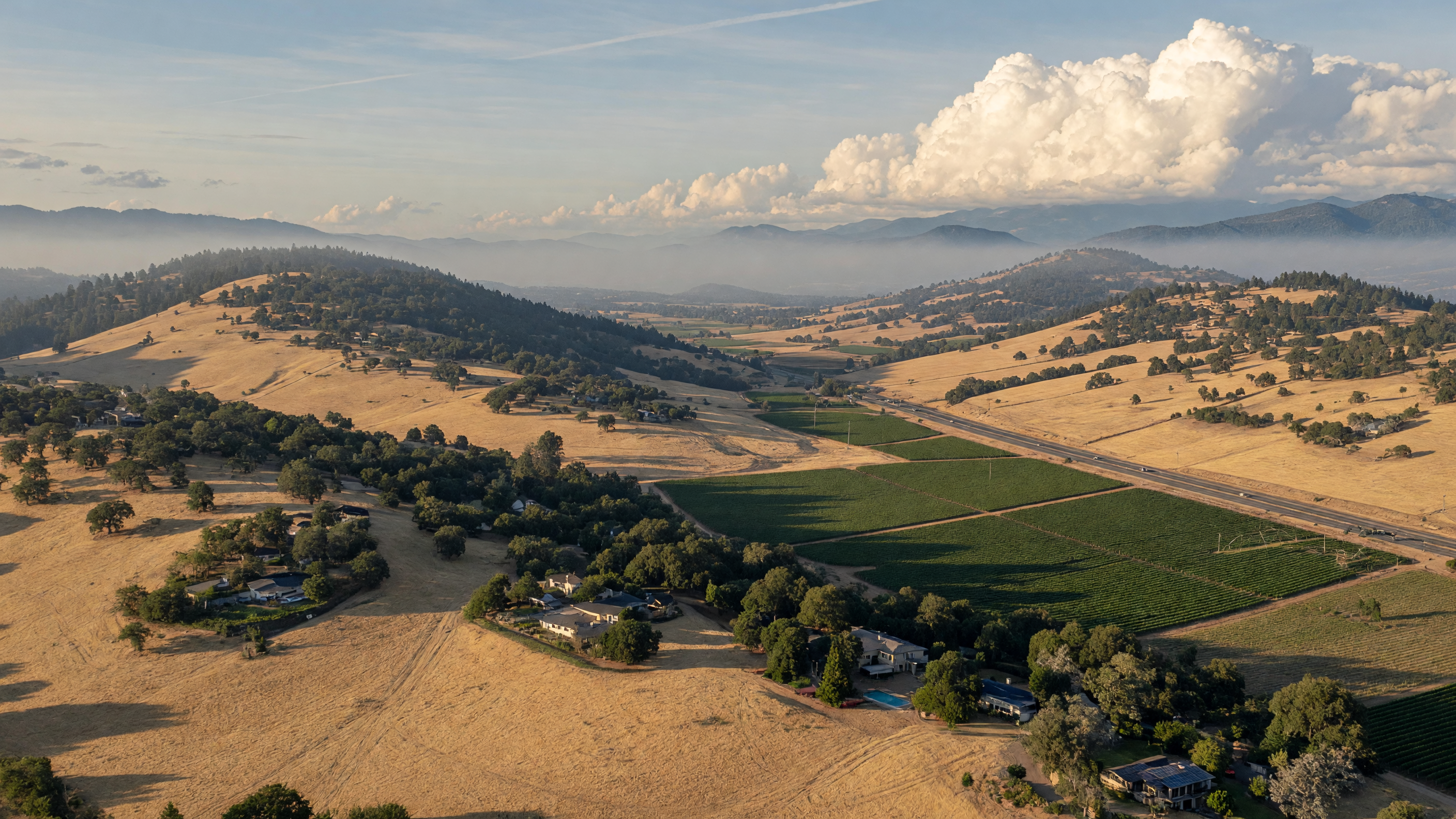
Every summer, I get calls from property owners who live in California, Washington, or across the country. They own a home in Medford, a rental in Grants Pass, or a property they inherited in Jacksonville, and they are suddenly hearing about wildfire smoke drifting across the Rogue Valley, evacuation alerts in neighboring counties, and insurance companies tightening their requirements. The question is always the same: "What should I be doing?"
This year, the question carries more urgency. Governor Tina Kotek declared a state of emergency over Oregon's wildfire threat on June 16, 2026, citing record-low snowpack, persistent drought, and historic early-season heat. Fire risk across the Rogue Valley is expected to reach above-normal levels beginning in July and lasting through the traditional fire season. If you own property here and you are not local, the time to prepare is now, before smoke fills the valley, not after.
After more than 25 years living and working in this region, including properties where the owner had not set foot in months or years, I have put together the checklist I walk every absentee client through each fire season. Consider it your field guide.
Why This Matters More When You Are Not Nearby
A local homeowner can drive to their property, check the gutters, and mow the lawn on a Saturday morning. An absentee owner cannot. Distance turns routine maintenance into a logistical challenge, and during wildfire season, the consequences of deferred maintenance escalate quickly. Here is what is at stake:
- Insurance exposure. Standard homeowners policies may reduce or deny coverage for properties that are vacant or not properly maintained. Insurers evaluate wildfire risk through underwriting, and a property with overgrown vegetation, a clogged gutter, or an unkempt roof line is a red flag. If your policy lapses or is non-renewed, you may be left relying on the Oregon FAIR Plan, which covers less and costs more.
- Defensible space failures. Oregon's defensible space guidelines, enforced by local fire districts and the Oregon State Fire Marshal, require homeowners to maintain a fire-free zone around structures. If your property is not compliant and a fire approaches, firefighters may deprioritize it. That is not a risk worth taking.
- Evacuation vulnerability. If your property is in or near a designated evacuation zone, there needs to be someone locally who can act on your behalf. An unoccupied home with no point of contact creates delays at exactly the moment when minutes matter.
The Absentee Owner Wildfire Checklist
Here is what I recommend every remote property owner address before July 1, broken into four categories:
1. Property Maintenance & Defensible Space
- Clear all dead vegetation within 30 feet of the structure. Remove dry leaves, pine needles, and dead branches from the ground, from under decks, and from around the foundation.
- Prune trees so the lowest branches are at least 6 feet off the ground. Space tree crowns at least 10 feet apart to prevent fire from jumping between canopies.
- Mow grass and dry weeds to a maximum of 4 inches in height within the defensible space perimeter. This is especially critical in the Rogue Valley's arid summer climate where fine fuels ignite instantly.
- Clean gutters and remove debris from roofs. Embers from a wildfire can travel more than a mile. A gutter full of dry pine needles is one of the most common ignition points for structure loss.
- Ensure driveways are accessible for emergency vehicles: 13 feet 6 inches of vertical clearance and 20 feet of horizontal width, with turnarounds where needed.
- Request a free defensible space assessment from your local fire district or the Oregon State Fire Marshal's office. They will evaluate your specific property and provide personalized recommendations at no cost.
2. Insurance Review
- Call your insurance agent directly and confirm your policy is active, your coverage limits are adequate, and there are no vacancy exclusions that could leave you exposed.
- Ask specifically about wildfire riders or endorsements. Some policies require separate wildfire coverage in Oregon's high-risk zones.
- Document your property's condition with dated photographs, interior and exterior. If you ever need to file a claim, timestamped visual evidence is invaluable.
- If your current carrier non-renews, contact the Oregon Division of Financial Regulation. They can guide you through the Oregon FAIR Plan and other options before you are left uninsured.
3. Local Representation & Emergency Plan
- Designate a local point of contact. This should be someone who can physically access the property, make decisions during an emergency, and communicate with you in real time. A trusted broker, not a neighbor who may be dealing with their own evacuation, is the safest choice.
- Register for local emergency alerts. Jackson County and Josephine County both operate opt-in notification systems for evacuation orders and fire updates. Make sure your local contact is enrolled.
- Share your property details with your point of contact: key location, utility shutoff information, alarm codes, and a current inventory of what is inside.
- Consider a real estate power of attorney. If you need to make quick decisions about repairs, insurance claims, or even listing the property, having the legal authority already in place saves critical time.
4. Long-Term Strategy: Sell or Prepare to Manage
Fire season is an annual reality in Southern Oregon, not a one-time event. If the cycle of worrying about your property each summer has become exhausting, it may be worth having an honest conversation about whether ownership still serves your goals.
Some of my clients come to me every year with the same stress: Is the yard maintained? Is the roof clear? What happens if there is a fire and I am in another time zone? For many of them, the most liberating decision is to sell, especially in a market where buyer demand remains healthy and a well-priced, well-presented property still moves quickly. Eliminating a recurring liability while capturing equity is, for a lot of absentee owners, the definition of peace of mind.
Others decide to hold but want a more structured approach to property management. Either way, the conversation starts with understanding your options clearly, and that is where a local broker who specializes in this exact situation adds real value.
“You’re away. I’m here. Consider it done.” Whether the task is coordinating defensible space maintenance, documenting your property for insurance, or evaluating whether now is the right time to sell, I manage it personally, no gatekeepers, no guessing.
What I Am Doing for My Absentee Clients Right Now
Every June, I schedule property walk-throughs for every absentee client I represent. We photograph the current condition, identify any maintenance gaps, coordinate local vendors for defensible space work, and ensure the property meets fire district guidelines. I also verify insurance status and confirm that emergency contact protocols are in place.
This is not extra service. This is the service. When you live away from your property, the person you trust to watch over it is not a line item, they are your safety net. And that is exactly the role I have played for clients across Southern Oregon for over two and a half decades.
Key Deadlines & Resources
- July 1: Target completion date for all defensible space work. Fire risk escalates significantly in July and August.
- Free defensible space assessments: Contact your local fire district or visit oregon.gov/osfm/wildfire for details.
- Oregon FAIR Plan: If you need wildfire insurance coverage and cannot find a willing carrier, visit oregonfairplan.com.
- Emergency alerts: Sign up through Jackson County or Josephine County emergency management websites.
- Oregon State Fire Marshal hotline: For questions about defensible space requirements and grants.
Let Me Handle This for You
If your property in Southern Oregon is vacant, unmanaged, or simply not getting the attention it needs, especially heading into fire season, I would welcome the conversation. A thirty-minute call can turn a season of worry into a plan of action. And I pick up my own phone.