Preparing Your Southern Oregon Property for Fall: A Seasonal Checklist for Absentee Owners
Southern Oregon's dry summer months are a blessing for property maintenance, but the transition to fall demands attention. For absentee owners, the window between the last 90-degree day and the first sustained rain is the most important maintenance period of the year. Here is exactly what to do, and why the timing matters.

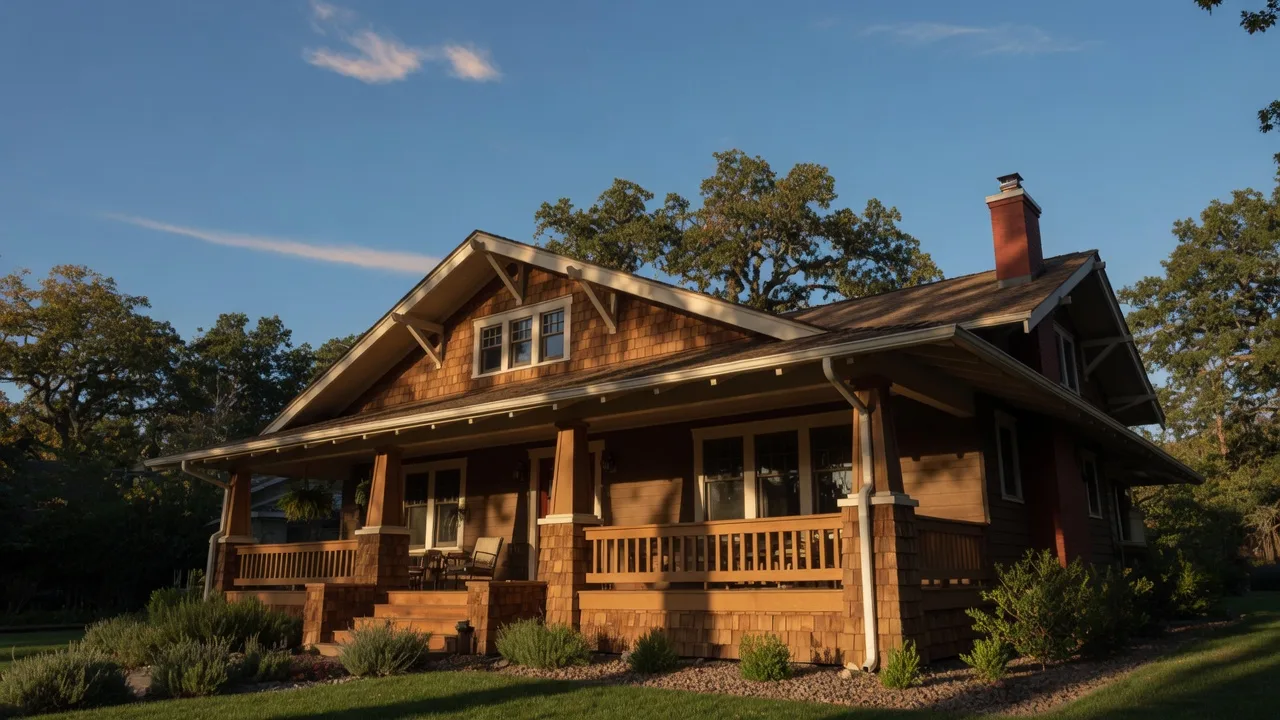
For over 30 years, I have walked through a lot of Southern Oregon homes. And if there is one pattern I have seen repeat itself, it is this: the property that looked perfect in July reveals its hidden issues when the October rains arrive. A slow roof leak. Clogged gutters that nobody noticed. A low spot in the yard that turns into a pond against the foundation. These are small problems in the dry months, but they become expensive emergencies when the weather turns.
For absentee owners, the risk is multiplied. You are not here to spot the early warning signs. A leak that runs for weeks before anyone discovers it can cause structural damage, mold, and thousands of dollars in unplanned repairs. The good news is that most of these risks are preventable with a single afternoon of focused preparation. Here is what I recommend to every absentee owner I work with, timed for this exact moment in the season.
Why Late August Is the Ideal Window
Southern Oregon's climate follows a predictable rhythm. The dry season runs roughly from June through September. October brings the first sustained rains, and by November, the valley settles into its wet winter pattern that lasts through April. The transition period between late August and late September is the sweet spot for seasonal maintenance: the weather is still cooperative, contractors are available, and you have time to address issues before the first storms arrive.
Waiting until October means working in wet conditions, competing for contractor availability with every other property owner in the valley, and running the risk that a problem you could have addressed for a few hundred dollars in late August turns into a multi-thousand dollar repair once water has made its way inside.
The Seasonal Maintenance Checklist
Here is the checklist I share with my absentee clients. I recommend printing it and handing it to a trusted local contractor, property manager, or neighbor who can walk the property. Or, if you prefer, I can coordinate all of it on your behalf.
1. Roof and Gutter Inspection
This is the most critical item on the list. A compromised roof is the single fastest path to expensive interior damage, and gutters that are full of pine needles and debris cannot do their job.
- Walk the roofline (or have someone do it). Look for missing, cracked, or curled shingles. Check around vents, skylights, and chimneys, where seals can degrade over the summer heat.
- Check for moss growth. Southern Oregon's dry summers keep moss at bay during the warm months, but it starts regrowing as soon as the rains return. If moss is already visible, treat it now with a zinc sulfate spray. Never pressure-wash shingles; it strips the protective grit and accelerates wear.
- Clean every gutter and downspout. In Southern Oregon, the ideal gutter cleaning window is twice a year: after the fall leaves drop (typically early November) and a lighter spring clean. But late August is the time to clear out whatever accumulated over the dry months and to check that downspouts are clear and extending at least five feet away from the foundation.
- Consider gutter guards. For absentee owners, gutter guards are one of the best investments you can make. They reduce the frequency of cleaning needed and dramatically lower the risk of clogs going unnoticed during the wet season.
2. Drainage and Foundation Check
The ground around your property looks different when it is saturated. A slope that appears functional in July can reveal grading problems when the water starts flowing.
- Inspect the grading around the foundation. The soil should slope away from the house at least six inches over the first ten feet. If water pools near the foundation after a rain, that is a problem that needs correction before winter.
- Check window wells and basement entries. Make sure they are clear of debris and that any drainage at the bottom is functional.
- Test the sump pump if the property has one. Poor a bucket of water into the pit and verify that it turns on and discharges properly. A sump pump failure during the first heavy rain is a common emergency call for absentee owners.
- Look for low spots in the yard where water collects. These can indicate drainage issues that need attention, and they also affect curb appeal when you are trying to sell.
3. Plumbing and Water Supply
For a truly vacant property, water is your biggest vulnerability. A leak that runs undetected for even a few days can cause damage that exceeds most insurance deductibles.
- If the property is unoccupied: shut off the main water supply at the valve. Then open the lowest and highest faucets in the house to drain the lines. This eliminates the risk of a burst pipe during a cold snap and the risk of an undetected leak running continuously.
- If the property has intermittent occupancy: at minimum, shut off the water to individual fixtures that will not be used (outdoor spigots, guest bathrooms) and insulate any exposed pipes in crawl spaces or unheated areas.
- Install remote water leak sensors. These small devices connect to WiFi and send an alert to your phone if they detect moisture. Place one near the water heater, under the kitchen sink, and near the washing machine connections. For absentee owners, these sensors are the cheapest insurance policy you can buy.
4. Defensible Space and Landscaping
Oregon's wildfire season does not end when the calendar turns to fall. In Southern Oregon, significant fire risk can persist through October, especially during dry years. Preparing defensible space now serves two purposes: it protects your property from fire, and it sets the yard up for a healthy start when the rains return.
- Zone 1 (0 to 5 feet from the structure): Remove all dead leaves, pine needles, bark mulch, and any flammable material touching the siding. This zone should be nearly bare soil or noncombustible material. Also clear debris from roof valleys and under decks.
- Zone 2 (5 to 30 feet out): Mow dry grass to under four inches. Trim tree branches so the lowest limbs are at least six feet above the ground. Space shrubs and trees so fire cannot ladder from the ground into the canopy.
- Check vent screens. Make sure attic, crawl space, and soffit vents have 1/8-inch wire mesh to prevent ember intrusion. This is an inexpensive fix that significantly reduces wildfire risk.
- Trim overhanging branches that drop leaves and needles onto the roof and into gutters. This reduces both fire fuel and the debris that clogs your drainage system.
The Oregon State Fire Marshal offers free defensible space assessments for property owners. If you own a property in Jackson or Josephine County and are not sure where to start, this is a great resource.
5. Windows, Siding, and Weather Sealing
Oregon's wet season is relentless. Any gap in your weather envelope will be found by the rain.
- Inspect siding and trim for peeling paint, gaps, or rotted spots. Pay special attention to the north and west sides of the house, which bear the brunt of Oregon's prevailing winter weather.
- Check caulking and weatherstripping around all windows and exterior doors. A dollar's worth of caulk can prevent hundreds of dollars in moisture damage over the winter.
- Verify that crawl space vents are clear and functional. Proper ventilation prevents moisture buildup that leads to mold and rot in the subfloor.
6. Security and Monitoring for the Wet Season
Absentee properties face two categories of risk: environmental (weather, fire, pests) and human (trespassing, vandalism, squatters). The fall transition is a good time to review both.
- Confirm exterior lighting works. Proper lighting deters trespassers and helps neighbors and service providers navigate the property safely during the shorter days of fall and winter.
- Check the locks on all doors, windows, and gates. Make sure a trusted neighbor or property manager has a key and knows how to reach you.
- Arrange periodic check-ins. Even a quick walk-through every two weeks during the wet season can catch problems early. If you do not have someone local, I can help coordinate this through my network of vendors and service providers in the valley.
How I Help Absentee Owners Manage This Process
Over 30 years, I have coordinated fall preparation for dozens of absentee-owned properties across Medford, Grants Pass, Jacksonville, Eagle Point, and the surrounding communities. The process is straightforward:
- I walk the property personally. I document the condition of the roof, gutters, grading, landscaping, and exterior. You receive a detailed report with photos and a prioritized list of what needs attention.
- I coordinate the vendors. Roofers, gutter cleaners, landscapers, handymen, and plumbers are all people I have worked with for years. I schedule the work, supervise it, and confirm it is done to standard. You never need to be here.
- I document the completed work. You receive photos and receipts for every item on the checklist. You know exactly what was done and what condition the property is in going into the wet season.
- I keep monitoring. For my seller clients, I continue to check on the property throughout the fall. If an issue arises, I handle it and keep you informed.
\"You're away. I'm here. Consider it done.\" That is not just a tagline. It is how I have managed properties for absentee owners who never set foot in Oregon while their home was being prepared, marketed, and sold. From the first walk-through to the final closing, I handle the details so you can focus on your life.
Why This Matters for Your Bottom Line
I want to be direct with you about something I have learned in over 30 years of real estate. A neglected property that goes into the rainy season without preparation will almost always sell for less than a property that has been maintained. The reasons are straightforward:
- Inspection issues surface at the worst time. A buyer's home inspection in November will reveal every roof leak, drainage problem, and moisture issue that went unaddressed. You end up negotiating repairs from a position of weakness, often at a discount far larger than the cost of proactive maintenance.
- Curb appeal suffers. A property with overgrown landscaping, moss on the roof, and debris in the yard does not present well. In a market where inventory is rising and buyers have choices, presentation directly affects days on market and final sale price.
- Small problems become big ones. A loose gutter that seems minor in August can cause foundation water intrusion by February. A small roof leak discovered early costs a few hundred dollars to patch. The same leak left undetected for six months can require structural repairs that run into five figures.
Here is the bottom line: investing a day and a few hundred dollars in fall preparation now protects your asset, preserves your property's value, and positions you to sell at the best possible price when the time is right. It is one of the highest-return activities an absentee owner can undertake.
A Practical Timeline
If you want to get ahead of the rainy season, here is a realistic timeline for the next four weeks:
- This week: Schedule a property walk-through. Identify the issues and get quotes from vendors. I can handle this for you if you are not local.
- Week 2: Complete roof and gutter work. Address any grading or drainage issues. Begin defensible space cleanup.
- Week 3: Finish landscaping, weather sealing, and plumbing prep. Install leak sensors if needed.
- Week 4: Final walk-through with documentation. Confirm the property is ready for October rains.
That is four weeks from today. By the time the first sustained rain arrives in October, your property will be buttoned up, protected, and ready for whatever the season brings.
Let's Make a Plan for Your Property
Whether you own a vacant home in Medford or a seasonal property in Jacksonville, I can help you prepare for the fall season with confidence. Over 30 years of experience in Southern Oregon, a network of trusted vendors, and a direct line with no gatekeepers. I welcome the chance to discuss your property and lay out a plan that fits your timeline and budget.