Selling your Southern Oregon second home, without the hassle.
A second home should be a source of enjoyment, not a list of chores. If you are ready to let yours go, this guide covers the practical considerations, from deciding whether to sell to preparing the home and closing the sale from a distance.
How often do you really use it?
Many second-home owners reach a point where the home sits empty more than it is enjoyed. The decision to sell often comes down to a simple comparison: what the home costs to keep versus what it adds to your life.
There is no wrong answer, only the one that fits your situation. Working through the numbers and the timing with someone who knows the market helps you decide with confidence.
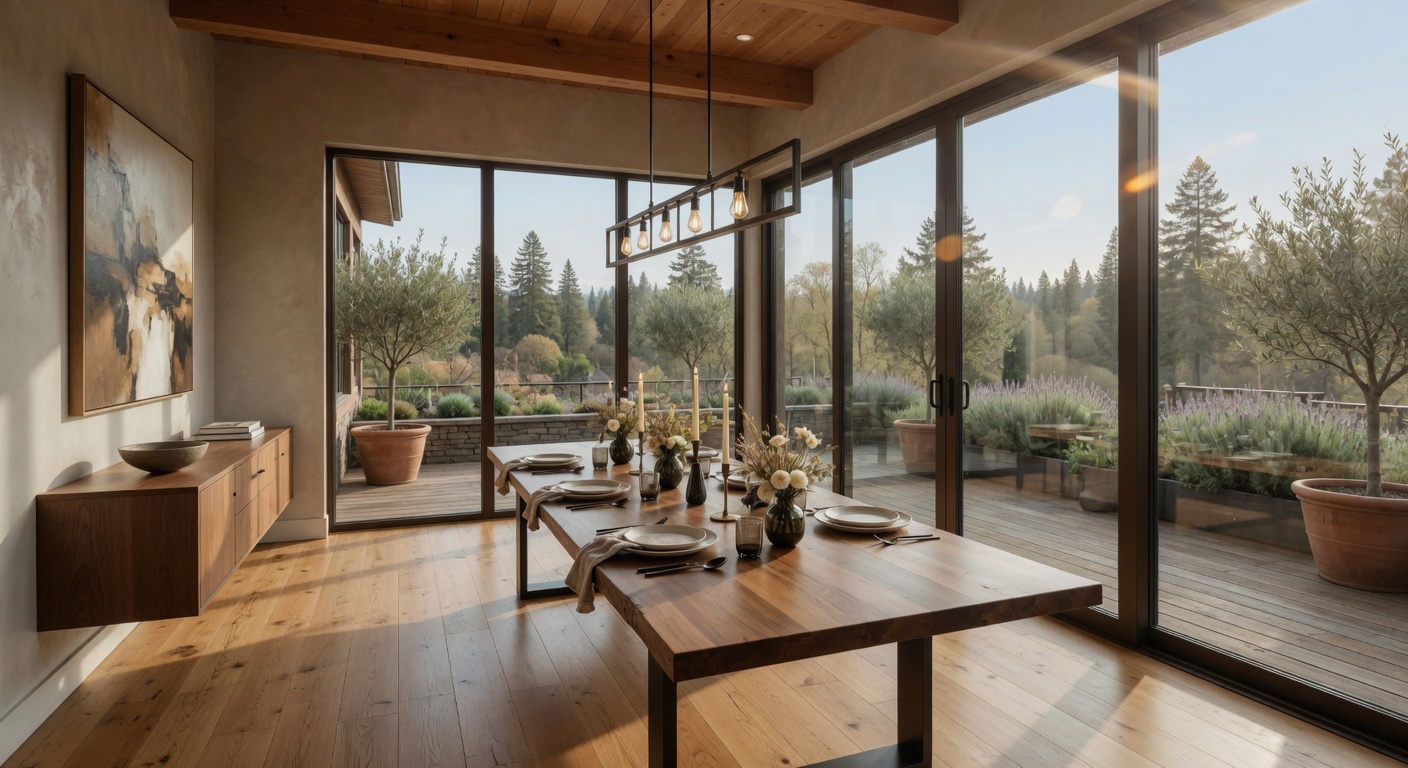
The practical pieces of a second-home sale.
Carrying costs
Taxes, insurance, utilities, and upkeep add up on a home you use a few weeks a year. Listing the costs helps make the decision clear.
Property upkeep
A second home needs care even when you are not there. If the home has become more obligation than joy, selling may simplify your life.
Insurance
Second homes carry their own insurance considerations, and vacancy or limited use can affect coverage. Confirm your policy details with your carrier.
Furnished or empty
Decide early whether to sell furnished or clear the home. Each approach has trade-offs for buyers, timing, and logistics.
Getting the home ready.
A second home sells best when it looks loved and cared for. The preparation mirrors any other listing, with a few choices unique to vacation properties.
Declutter and repair
Clear out the personal items, address worn areas, and fix the small issues that accumulate in a part-time home. Repairs that improve saleability without over-investing are the goal.
Landscaping and curb appeal
A tidy yard makes the strongest first impression. For a home that has sat unused, landscaping work also signals that the property has been cared for.
Security while it waits
Between listing and closing, keep the home secured and checked on. If you are not local, a trusted contact handles it.

Most second homes are sold by owners who do not live nearby.
The home is prepared, marketed, and shown locally, while you approve the decisions and sign remotely. Vendors, repairs, inspections, and closing are coordinated for you, with clear updates throughout.
"You're away. I'm here. Consider it done."
The line that fits second-home owners who would rather be anywhere but managing a property from afar.
Tax questions to discuss with your CPA
Selling a second home can have tax implications that depend on how the home was used, how long you owned it, and how long you lived in it. A CPA or tax professional can explain what applies to your situation. The timing of your sale is another consideration, so talk through it with your tax professional and with Lisa, who can help you understand how the local market looks at different times of year.

Ready to let the property go?
Tell Lisa about the home, how you use it, and what you are hoping for. She will help you understand the market and what selling would look like, from preparation to closing.