The Late-August Decision Window: How Summer Visitors Become Fall Buyers in Southern Oregon
Every August, the people who spent the summer hiking Table Rock, tasting wine in the Applegate, and watching concerts at the Britt Pavilion start making a different kind of decision. They stop browsing Zillow from hotel rooms and start calling real estate agents. Here is what that shift means for property owners who are not here to witness it.

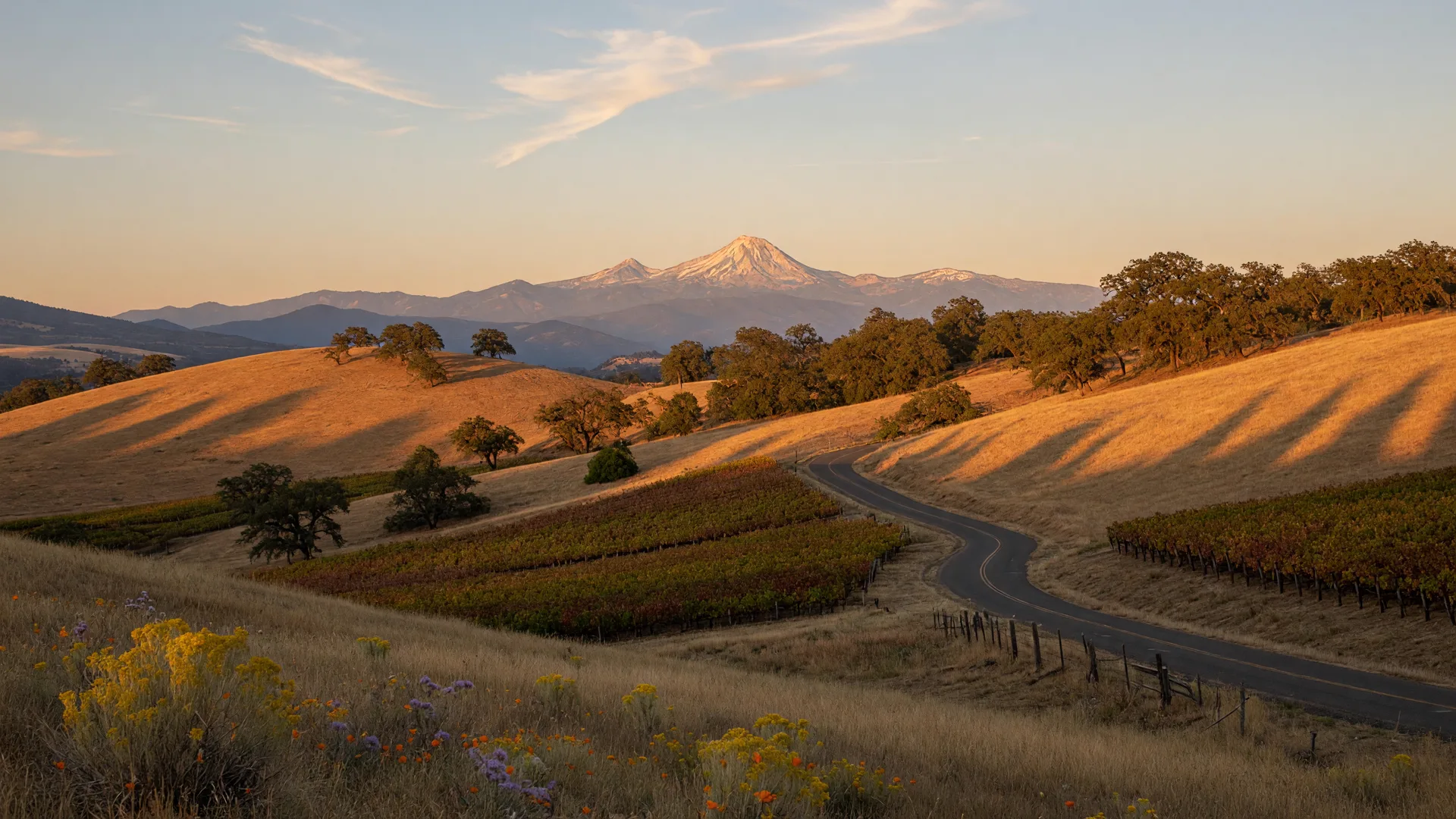
I have been watching this pattern for over 30 years, and it still amazes me how consistently it plays out. A family spends a long weekend in Jacksonville in July. They walk through the historic downtown, catch a Britt concert under the stars, and drive out to the Applegate for an afternoon of wine tasting. They leave saying, "That was a lovely trip." Then, three to four weeks later, right around mid-August, their name shows up in my inbox. They are ready to talk about buying a home.
This is not a coincidence. It is a reliable seasonal pattern in the Rogue Valley. And for absentee owners who hold property in Southern Oregon, the late-August window is the single most important moment of the year to have your property ready and visible. The people who spent the summer experiencing the lifestyle you are selling are now actively deciding whether to make it their own.
The Conversion Timeline: From Visitor to Buyer
Understanding the timing of this conversion is critical if you are selling from a distance. Here is how the timeline typically unfolds:
- June through mid-July: Summer visitors arrive for festivals, outdoor recreation, and wine country tours. They experience Southern Oregon at its best. Emotionally, they form a connection to the area. Many start browsing listings online before they leave.
- Late July through early August: Visitors return home but keep searching. They subscribe to local real estate alerts. They start comparing their current cost of living with what Southern Oregon offers. This is the incubation period where interest turns into intention.
- Mid-August through early September: The decision window opens. Buyers have processed their trip. They have had conversations with their family about the move. Now they are calling agents to schedule tours, ask about neighborhoods, and understand the market. This is the moment.
- September through October: Those conversations turn into showings, offers, and closings. Buyers who started researching in July are now writing offers on homes that are available, priced competitively, and presented well.
The key insight for absentee owners is this: if your property is not listed and visible by mid-August, you miss the entire conversion cycle. The buyers are out there right now, making their lists and calling agents. They are not going to wait until October to see what comes on the market. They will buy something that is available today.
What the Current Market Data Tells Us
The numbers from the most recent reporting period reinforce why this moment matters. Southern Oregon's housing market has shifted from the hyper-competitive conditions of 2021 and 2022 into what I would describe as a healthy, balanced market with clear advantages for prepared sellers.
- Jackson County median home prices have settled around $446,000, reflecting modest year-over-year growth of roughly 2.8%. That stabilization is actually a positive signal. It means the market is not cooling, it is normalizing. Well-priced properties in desirable locations are still commanding strong offers.
- Inventory in Jackson County is up approximately 23.9% year-over-year, while Josephine County has seen a 32% year-over-year increase. That sounds like a lot, and it does mean buyers have more choices. But it also means that properties sitting on the market are largely the ones that are overpriced or underprepared. A well-positioned listing still stands out.
- Days on market have extended to roughly 46 to 62 days in Jackson County, depending on location and property condition. That compared with sub-20-day averages just a few years ago. What this tells me: buyers are taking their time, but they are not losing interest. They are waiting for the right property at the right price.
- Josephine County continues to attract relocator interest at a steady pace, particularly from California and the Pacific Northwest metro areas. The river-town appeal of Grants Pass, combined with a median price point that remains below $400,000 for existing homes, represents significant value for out-of-area buyers.
Here is the bottom line from this data: we are in a market where preparation and timing matter more than they did two years ago. A property that is staged, professionally photographed, priced accurately, and listed during a period of high buyer intent will sell efficiently. A property that enters the market cold in November, without the relocator pipeline behind it, faces a longer and more uncertain path.
The Events That Keep the Pipeline Flowing
One of the reasons Southern Oregon consistently produces this late-summer conversion cycle is that the event calendar extends well past the traditional vacation season. Even now, in August, the valley is full of experiences that keep relocators engaged and arriving:
- The Oregon Honey & Mead Festival (August 29, Medford): A celebration of local mead makers and apiarists held at the Medford Commons. Events like this introduce visitors to the agricultural richness of the region and remind them that Southern Oregon offers a lifestyle built around local food, craft beverages, and community connection.
- Britt Music & Arts Festival continues through September (Jacksonville): The concert series at the historic Britt Pavilion extends well into the fall. Every performance is an opportunity for a visiting concertgoer to experience what it feels like to live in a community where world-class music happens under the stars.
- Tasty Nights Street Food Festival (September 11-13, Central Point): This three-day food festival draws visitors from across the region. For relocators, it is a chance to experience a community gathering that feels both vibrant and accessible.
- USA BMX Gold Cup Championship (September 11-13, Grants Pass): A national-level sporting event that puts Grants Pass on the map for thousands of athletes and their families. These are exactly the kinds of visitors who might start looking at properties between race heats.
- Greater Medford Multicultural Fair (September 26, Medford): A free celebration of world cultures at Pear Blossom Park that showcases the diversity and welcoming spirit of the community.
- Art Along the Rogue (October 2-4, Grants Pass): An art and music festival along the Rogue River that gives late-season visitors one more compelling reason to explore Josephine County.
Each of these events extends the season. And for absentee owners, every extended weekend is another chance for a potential buyer to experience Southern Oregon and begin their decision process. The pipeline does not dry up in August. It keeps flowing through September and into October.
What This Means for Absentee Owners Right Now
If you own property in Southern Oregon but live elsewhere, here is what I want you to understand about the next four weeks:
Your buyer is likely someone who visited this summer. They have already decided they want to live in the Rogue Valley. They are not questioning whether to move. They are deciding which property to buy. If your home is available, professionally presented, and priced competitively, you are competing in a pool of buyers who are motivated and emotionally invested.
If your property is not ready, you are missing the peak of the conversion cycle. The window from mid-August through mid-September is when the largest number of relocator calls happen. If your property does not hit the market until October or November, those buyers have already moved on. They will have purchased something else, or they will have decided to wait until the following spring.
Preparation does not need to be complicated, but it needs to happen now. Here is what I typically recommend for absentee owners who want to capture this window:
- Schedule a property assessment this week. I walk the property personally, document every room, note condition issues, and identify what needs attention before listing. For absentee owners, this is the single most important step. It gives you a concrete plan with no guesswork.
- Address any deferred maintenance. A fresh coat of interior paint, minor landscaping, and professional cleaning make a measurable difference in both days on market and final sale price. In a market with rising inventory, presentation is not a nice-to-have. It is the difference between selling in 40 days and sitting for 90.
- Professional photography and marketing assets. I arrange the photography, videography, and any virtual tour tools that the property needs. For absentee owners, I also make sure the marketing is targeted specifically at the relocator audience.
- Go live by early September. This timing aligns your listing with the peak of the relocator conversion cycle, captures buyers who are actively searching, and positions your property to close before the holiday season slows everything down.
"You're away. I'm here. Consider it done." I have managed the entire sales process for absentee owners who never stepped foot in Oregon during their transaction. From contractor coordination through showing management, inspection negotiation, and closing. You focus on your life. I handle the details.
Why Southern Oregon Keeps Drawing Buyers Back
I want to step back and talk about why this cycle works at all, because understanding the underlying appeal matters for anyone who owns property here.
Southern Oregon is not a market built on hype. It is built on fundamentals that have remained consistent for decades. Over 200 sunny days per year. No state sales tax. A wine region that was just named America's number one. A Rogue River that draws anglers, rafters, and kayakers from around the world. Historic towns like Jacksonville that offer cultural depth. A cost of living that, while rising, still represents significant value compared to California, Washington, and the Front Range of Colorado.
The people who visit over the summer do not need to be sold on Southern Oregon. They discover it on their own. My job, and the job of a well-prepared property listing, is simply to be there when they decide to act.
A Practical Checklist for the Next 30 Days
If you want to capture the late-August decision window, here is exactly what the next month looks like. I manage all of this for my absentee clients, but even if you work with another agent, the timeline is the same:
- Week 1 (now): Property assessment. Walkthrough, condition documentation, and a list of recommended improvements.
- Week 2: Coordinate and complete repairs, cleaning, and landscaping. I handle vendor scheduling, so you do not need to be here.
- Week 3: Professional photography, videography, and marketing material creation. Listing preparation and MLS entry.
- Week 4 (early September): Go live. Your property enters the market at the exact moment when the relocator conversion cycle is at its peak.
That is four weeks from where we are today. By Labor Day, your property could be live, visible, and capturing the most motivated buyers of the entire year.
Let's Talk About Your Timeline
Whether you are an absentee owner ready to prepare your property for sale, an investor evaluating the late-summer market, or someone who simply wants to understand what your Southern Oregon home is worth in the current cycle, I would welcome a conversation. Over 30 years of experience. A direct line with no gatekeepers. A process built specifically for remote owners.