Selling a Home with a Well and Septic in Southern Oregon: What Sellers Should Know
If your Southern Oregon property has a private well, a septic system, or both, the sale comes with a few extra steps that city-property sellers never think about. The good news is that none of them are mysterious, and most are simply about having the right documents and a little advance planning. This guide walks through what Oregon law requires, what buyers and lenders will ask for, and how to keep the process smooth.

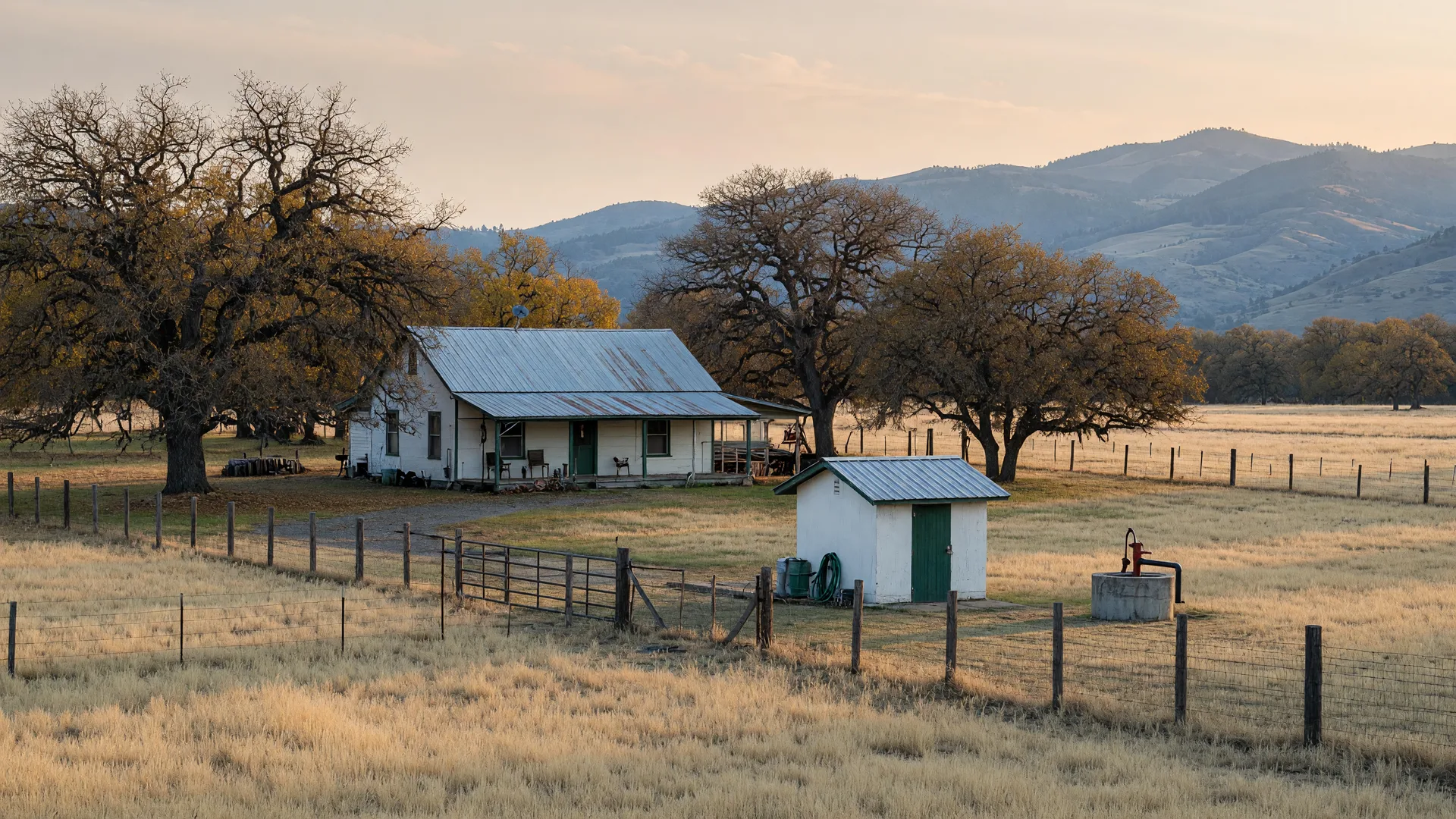
A good share of the homes I list across Jackson and Josephine Counties, from the acreage around Medford and Eagle Point to the rural stretches outside Grants Pass, Jacksonville, and Rogue River, get their water from a private well and handle their wastewater with a septic system. There is no city water bill to fall back on, and no sewer connection to point a buyer toward. That is exactly why the well and the septic can become the most important details of the sale.
Buyers and their lenders want to be confident the water is safe to drink and the system actually works. A clean well test and a well-documented septic system are quiet selling points that build trust. The reverse is also true: an untested well or a septic system with no records invites questions during due diligence, and questions are easier to answer before they become a reason to negotiate.
What Oregon Law Requires When You Sell
Oregon is one of the states that ties well testing directly to the sale of a property. Under Oregon's Domestic Well Testing Act (ORS 448.271), when real estate with a private domestic well is sold, the seller must have the well water tested once an offer to purchase is accepted. The test must be done by an accredited laboratory and cover three contaminants: total coliform bacteria, arsenic, and nitrates. The results are then provided to the buyer. The Oregon Health Authority oversees the testing program and the rules that spell out the requirements.
Notice that the law triggers when you accept an offer, not when you list. Still, I generally encourage sellers to test early. A clean test sitting in the listing packet removes a question before anyone asks it, and it gives you time to handle a surprise calmly instead of during escrow. The article on what to fix before selling a Southern Oregon home makes the same point about testing early.
Septic systems are a different story. Oregon does not require a statewide septic inspection at property transfer, and neither Jackson nor Josephine County currently mandates one at sale. The Oregon Department of Environmental Quality (DEQ) regulates onsite wastewater systems, and its Medford office handles residential septic permitting for Jackson and Josephine Counties. Josephine County also operates an On-Site Septic Program as a local point of contact. Even though an inspection is not required by law, buyers, their agents, and occasionally lenders still ask, so a system with service records and a recent inspection is far easier to sell than one with no history at all.
The Documents Buyers and Lenders Want
Most of the work in a rural sale is documentation. The more you can gather up front, the smoother the transaction. Here is what typically belongs in the packet:
- The well log. Well construction reports are filed with the Oregon Water Resources Department (OWRD), which keeps the searchable well log database. If you do not have a copy of your well log, it can often be found there, and your agent or a well professional can help you locate it.
- Recent water test results. The three required tests from an accredited laboratory, plus any broader testing you have done.
- Septic records. Permits, pumping history, and any inspection reports show the system has been maintained over time.
- Water right documentation. If the property has irrigation water or a right to use water from a stream or canal, that right is recorded with OWRD and should be documented.
- Easements and access agreements. Rural homes often rely on shared roads or utility easements, and buyers and lenders need to see legal access before closing.
- County permit records. Anything on file with the county for the well, septic, or structures.
The rural property seller guide walks through each of these in more detail, and the answer center has a direct answer on selling rural property with a well or septic.
What Happens During the Buyer's Due Diligence
Once an offer is accepted, the well test is done as the law requires, usually coordinated by the seller or the seller's agent with an accredited laboratory. On acreage, buyers commonly also order a septic inspection from a licensed specialist. The inspection checks the tank, the drain field, and the overall function of the system, and it gives everyone a clear picture of where things stand.
As for who pays: the well test is the seller's obligation under the Domestic Well Testing Act, and in practice the seller arranges and covers it. Septic inspections are typically arranged by the buyer during their due diligence, though the exact terms are negotiated in the offer. The important thing is that both happen before closing, not after, so any issue is found while there is still time to address it. If you are selling from out of the area, the answer on how inspections and repairs work when the seller is out of state explains how that coordination happens remotely.
What If the Well or Septic Has a Problem?
It is worth saying plainly: a problem here is rarely the end of the sale. It is a step to work through.
If well water fails a test, the fix depends on the cause. Some issues are simple, like a well that needs sanitizing and a clean retest. Others may call for a treatment system or the attention of a licensed well professional. Your agent and the specialist can lay out the options and the real costs for your specific well.
If a septic system fails inspection, the usual paths are repair, replacement, or a negotiated credit or price adjustment with the buyer. A licensed septic professional can give you real numbers for your system, and a fair conversation with the buyer usually settles the rest. The key is knowing about the issue before closing, so it becomes a solvable detail instead of a surprise at the table.
Water Rights and Rural Access
Water rights are separate from the well itself. In Oregon, water rights are administered by the Oregon Water Resources Department. If your property includes irrigation water or a documented right to use surface water, that right is an asset attached to the land, and it should be documented clearly for the buyer. A water right question is a good one for an attorney or the appropriate state and county records, not a guess.
Access is the other piece that matters on acreage. A rural home often sits at the end of a shared driveway or an easement, and buyers and lenders need to see that legal access is in place. If boundaries are unclear or a buyer's lender asks, a survey settles it cleanly. These are the details that make a rural sale feel more involved, and they are exactly the kind of thing a local broker who handles rural properties regularly can keep organized.
What You Must Disclose to Buyers
Oregon law (ORS 105.462 to 105.490) requires sellers of most residential property to complete and deliver a Seller's Property Disclosure Statement. The form covers the water source and quality, sewage disposal, the structural condition, mechanical systems, and other items. Answer it honestly. A known issue disclosed up front is far easier to manage than one that surfaces later and makes a buyer wonder what else was left out.
Questions Southern Oregon Sellers Ask
Do I have to test the well before I list?
No. Oregon's Domestic Well Testing Act requires the test once you accept an offer to purchase, not before you list. That said, testing early is usually the smarter move, because it turns a potential escrow surprise into a selling point you already have in hand.
Who pays for the well test?
The seller's obligation under the law, and in practice the seller arranges and covers it. It is a modest cost compared with the peace of mind it buys for the whole transaction.
Is a septic inspection required to sell?
Not by Oregon state law, and not by Jackson or Josephine County at this time. But buyers often request one, especially on acreage, and a clean inspection report is a genuine selling point. The Oregon DEQ regulates onsite systems, and its Medford office handles residential septic permitting in these counties.
What if my septic system fails the inspection?
You can repair it, replace it, or negotiate a credit or price adjustment with the buyer. A licensed septic professional can give you real numbers for your specific system. Most issues are solvable, and finding them before closing is the whole point.
Where do I find my well log?
Well construction reports are filed with the Oregon Water Resources Department, which keeps a searchable well log database. If you do not have a copy, your agent or a well professional can help you locate it there.
Do I need a survey to sell acreage?
Not always. A survey becomes useful when boundaries are unclear, fences do not match records, or a buyer's lender asks for one. When it is needed, a licensed surveyor settles the lines cleanly.
Let's Get Your Rural Property Ready
Selling a property with a well and septic is mostly about the details: the right documents, the right testing, and the right professionals at the right time. After more than 30 years in real estate, including plenty of rural sales across Southern Oregon, I know how to keep those details organized so they help the sale instead of slowing it down. I can help you gather your records, coordinate the well test and any septic inspection, and connect you with the licensed well, septic, survey, and water-right professionals your property needs.
The rural property guide covers wells, septic, water rights, and documentation in depth, the seller resources page organizes everything by topic, and the Southern Oregon Property Seller's Guide walks through the full process when you are ready. Or simply reach out and we will take it from there.
Not Sure What Your Rural Property Needs?
Book a call. Tell me about your well, your septic, and what documentation you have, and I will map out the path to a smooth sale. You will get a straight answer and a clear plan.