Should You Sell Your Southern Oregon Home Now or Wait Until Spring 2027?
November 2026 | Southern Oregon Real Estate
If you've been thinking about selling your home in Southern Oregon, you may be asking yourself a familiar question: Should I put my house on the market now, or would I be better off waiting until spring?

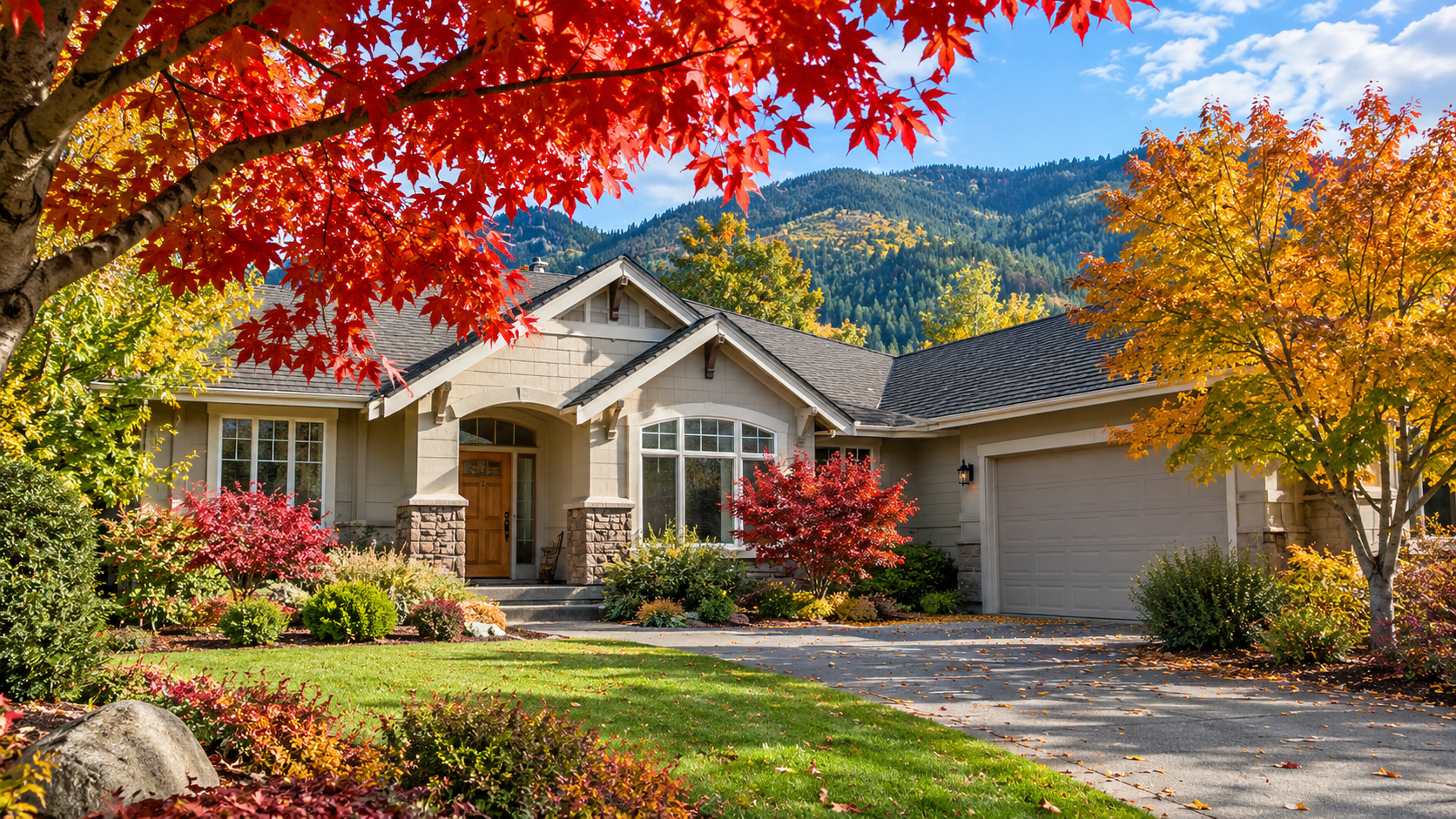
It's a reasonable question, especially as we head into the rainy season, shorter days, and the holidays.
Spring has traditionally been a busy time for real estate. Homes often show well, landscaping comes back to life, and more buyers begin searching. But that doesn't automatically mean waiting until March, April, or May will put more money in your pocket.
In fact, depending on your property, your financial situation, and the competition in your neighborhood, selling during the winter could make just as much sense.
Here's what Southern Oregon homeowners should consider before making that decision.
What Is Happening in the Southern Oregon Housing Market Right Now?
Before deciding when to sell, it helps to understand the market you're entering.
According to Realtor.com's October 2026 housing market report, Grants Pass had approximately 595 active listings, an increase of nearly 16% compared with the previous year. The median time on market was 83 days, approximately 20% longer than a year earlier.
These figures suggest that buyers have more properties to consider and that sellers may need to allow more time to secure an acceptable offer.
However, these are citywide figures. They don't tell us how quickly a well-priced home in a particular neighborhood or price range might sell.
A home in East Medford, a rural property outside Grants Pass, and a historic home in Jacksonville can face very different competition.
The important question isn't simply whether it's a good time to sell. It's whether your particular property is positioned to compete successfully in today's market.
The Advantages of Selling During Winter
1. You May Face Less Competition
Some homeowners postpone listing until spring because they assume that's when buyers will be most active.
As a result, fewer new properties may come onto the market during the winter months.
For a seller, that can be an advantage.
Imagine a buyer searching for a three-bedroom home in Grants Pass with a particular price range and features. If only a handful of suitable homes are available, your property may receive more attention than it would when additional listings enter the market in spring.
Of course, fewer listings don't guarantee a sale. Buyer activity also tends to slow during winter.
The key is comparing the number of competing homes with the number of buyers actively purchasing similar properties.
2. Some Buyers Have Reasons to Move Regardless of the Season
Not everyone can schedule a move around the weather.
People relocate for employment, retirement, family responsibilities, medical needs, and changes in their living situations throughout the year.
A buyer relocating to Medford for a new position, for example, may not have the luxury of waiting until April.
But it's important not to confuse urgency with willingness to overpay. Buyers who need to move can still be careful about pricing, inspections, and financing.
A home that's properly priced, accessible for showings, and presented well can appeal to these buyers even in December or January.
3. You Could Avoid Several Months of Property Expenses
This is one of the most overlooked considerations when deciding whether to wait.
Owning a home costs money even when you're preparing to sell it.
Depending on your situation, those expenses may include:
- Mortgage payments and interest
- Property taxes and insurance
- Heating, electricity, water, and other utilities
- Landscaping and routine maintenance
- Repairs and winter property protection
- Additional costs associated with a vacant home
Consider a homeowner whose property costs $2,000 per month to maintain and carry.
Waiting four additional months would mean approximately $8,000 in expenses.
That doesn't necessarily mean selling immediately is the better financial decision. Some of those payments may reduce the loan balance, and spring conditions could potentially support a different selling price.
But the cost of waiting deserves to be part of the calculation.
A higher selling price several months from now doesn't automatically mean a better financial outcome.
The Advantages of Waiting Until Spring
There are legitimate reasons why waiting may be the better choice.
1. More Buyers Traditionally Enter the Market
According to the National Association of REALTORS®, existing-home sales activity generally increases during spring and summer and slows during winter.
More active buyers can create additional opportunities for sellers, particularly when their properties are priced competitively.
However, increased activity doesn't guarantee higher prices or multiple offers.
Mortgage rates, affordability, local inventory, and economic conditions can influence what happens in spring 2027.
No one can reliably promise that next spring's market will be stronger than today's.
2. Your Property May Show Better in Spring
Southern Oregon has beautiful seasonal changes, but not every property benefits equally from winter photography and showings.
A home with extensive landscaping, mature gardens, outdoor entertaining areas, or attractive acreage may make a stronger first impression during spring.
This can be especially relevant for:
- Rural homes with acreage
- Properties featuring gardens and outdoor living spaces
- Homes with vineyards, orchards, or landscaped grounds
- Properties where outdoor amenities are an important part of the appeal
On the other hand, a well-maintained home with attractive interiors and good natural light may show beautifully throughout the winter.
The question is whether waiting will materially improve how buyers perceive your property's most valuable features.
3. You May Need Time to Prepare
Sometimes the strongest argument for waiting has nothing to do with the market.
Perhaps your home needs painting, repairs, cleaning, landscaping, or help sorting through years of belongings.
Rushing onto the market before a property is ready can be counterproductive.
If several months would allow you to address important maintenance issues, improve presentation, or complete necessary preparations, waiting may be worthwhile.
But not every improvement is worth making.
Before spending money, determine which repairs are likely to matter to buyers and which improvements may not provide a meaningful return.
Southern Oregon's Winter Weather Matters
Selling a home during winter in Jackson or Josephine County requires some practical planning.
Rain, shorter daylight hours, and occasional freezing temperatures can affect photography, showings, inspections, and property maintenance.
For rural properties, additional considerations may include driveway access, drainage, private roads, wells, septic systems, and outbuildings.
These conditions aren't necessarily reasons to postpone a sale. In some cases, winter provides buyers with useful information about how a property performs during wet weather.
The important thing is to identify maintenance or access issues early and address them appropriately.
Oregon sellers also need to understand applicable property disclosure requirements. Listing during a particular season doesn't eliminate those obligations.
What If Your Home Is Vacant, Inherited, or Located Far From Where You Live?
For some homeowners, waiting until spring creates more complications than benefits.
This is particularly true when the property is vacant or the owner lives outside Southern Oregon.
An empty home still needs attention.
Winter weather can bring concerns about heating, plumbing, leaks, storm damage, security, and insurance coverage.
A property owner living in California, Hawaii, Arizona, or another state may have difficulty checking on the home regularly.
Inherited properties can present additional challenges. Family members may be coordinating decisions, maintaining an empty house, or handling an estate while living in different locations.
Rental property owners may also be weighing maintenance costs, tenant arrangements, and the timing of a potential sale.
In these situations, the decision isn't only about maximizing the selling price.
It's also about reducing ongoing expenses, managing responsibilities, and determining whether keeping the property for several additional months makes practical sense.
Before listing an inherited property, owners should confirm who has authority to sell. Rental owners should review applicable tenant rights and notice requirements. Tax questions should be addressed with a qualified tax professional.
Winter vs. Spring: How Do the Options Compare?
| Consideration | Selling in Winter | Waiting Until Spring |
|---|---|---|
| Buyer activity | Typically slower | Typically increases |
| Competing listings | May be fewer | Often increases |
| Property presentation | Weather and daylight may create challenges | Landscaping and outdoor features may improve |
| Ongoing ownership costs | Potentially fewer months of expenses | Additional carrying costs |
| Preparation time | May require faster decisions | More time for repairs and organization |
| Selling price | Depends on current competition and demand | May benefit from seasonal demand, but not guaranteed |
Neither season wins in every category.
The better choice depends on your property's characteristics, your financial priorities, and what comparable homes are actually doing in your local market.
Five Questions to Ask Yourself Before Deciding to Wait Until Spring
Before putting your plans on hold, consider these five questions.
1. What will it cost me to own this property until spring?
Calculate your actual monthly expenses, including mortgage interest, taxes, insurance, utilities, and maintenance. Don't overlook costs associated with an empty home.
2. How many homes am I competing against right now?
Look at active listings that buyers would realistically compare with your property. Similar location, condition, size, features, and price range matter more than broad countywide averages.
3. Would my property genuinely show better in spring?
Consider whether seasonal landscaping, outdoor features, or planned improvements would make a meaningful difference in presentation.
4. Do I have a reason to sell sooner rather than later?
Relocation, downsizing, retirement, an inherited property, financial obligations, or the responsibility of maintaining a second home can all affect the decision.
5. What would need to change by spring to make waiting worthwhile?
This may be the most important question.
Are you expecting more buyers, a higher selling price, better property condition, or simply a more convenient time to move?
Identify the benefit you're hoping to gain, then weigh it against the costs and uncertainty of waiting.
Could Preparing Now Be the Best Option?
There's another possibility that homeowners sometimes overlook.
You don't necessarily have to choose between listing immediately and doing nothing until spring.
You can begin preparing now.
That might include reviewing comparable sales, evaluating the property's condition, identifying worthwhile repairs, gathering documents, arranging professional photography when conditions are favorable, and developing a pricing strategy.
Then you can decide on the listing date based on your readiness and the market conditions at that time.
For some homeowners, this approach provides the flexibility they need without rushing the decision.
Frequently Asked Questions About Selling in Southern Oregon
Is winter a bad time to sell a house in Grants Pass or Medford?
Not necessarily. Winter typically brings slower buyer activity, but it may also bring fewer competing listings. Pricing, condition, location, and buyer demand for your type of property are more important than the season alone.
Will I get more money for my house if I wait until spring 2027?
Possibly, but there is no guarantee. Spring often brings more buyer activity, along with additional competition from other sellers. A higher future sale price must also be weighed against the cost of continuing to own the property.
Should I wait until spring to sell a home with acreage?
It depends on the property. Gardens, vineyards, orchards, and outdoor amenities may be more appealing during spring. However, buyers interested in rural property may also value seeing drainage, access, and other conditions during winter.
Should I sell a vacant home before winter?
That depends on its condition, location, ongoing costs, and the ability to maintain and monitor it. Vacant properties require appropriate insurance, security, and seasonal maintenance whether or not they are listed for sale.
When should I start preparing if I want to sell in spring?
Starting several months ahead can be helpful, especially if the home needs repairs, cleaning, estate coordination, or other preparations. A market review can help you decide what work is worthwhile before spending money.
The Bottom Line: The Right Time to Sell Is Personal
Spring may bring more buyers. Winter may bring less competition.
But neither advantage automatically determines the best outcome for your home.
A well-maintained property in a desirable location may be competitive during either season. Another home may benefit from additional preparation, better seasonal presentation, or a change in local inventory.
And for someone maintaining a vacant property, managing an inherited home, or preparing for a major life transition, waiting may create expenses and responsibilities that outweigh any potential seasonal advantage.
The smartest decision starts with understanding your property's current market position and your personal priorities.
Not Sure Whether to Sell Now or Wait?
I'm Lisa Sears, a Southern Oregon real estate broker with eXp Realty, LLC. I've worked in real estate since 1990, and I help homeowners throughout Jackson and Josephine Counties make informed decisions about selling.
Whether you're in Grants Pass, Medford, Jacksonville, Central Point, Rogue River, or a surrounding community, we can look at your property's condition, competing listings, current market activity, and the practical cost of waiting.
There's no need to make a decision before you have the information.
Let's determine what makes sense for your property and your timeline.
Contact Lisa Sears | 541.659.1209
You're away. I'm here. Consider it done.
Lisa Sears | Broker
eXp Realty, LLC | Luxury Division
Oregon License #200112099
Sources and Further Reading
- Realtor.com: Grants Pass Housing Market, October 2026
- National Association of REALTORS®: Existing-Home Sales Explained
- National Association of REALTORS®: Pending Home Sales and Seasonality
- Oregon Revised Statutes, Chapter 105: Property Disclosure Requirements
Market information reflects data available as of November 2026. Local conditions and individual property results vary.