Selling Vacant Land in Southern Oregon: What Owners Should Know
A parcel of vacant land sells differently from a house, and once you know the difference, the process is much less intimidating. What sells Southern Oregon acreage is what a buyer can do with it: whether a home can be built, whether water is available, whether the access is legal, and what the county says the land may be used for. Here is how to get those answers straight before you list.

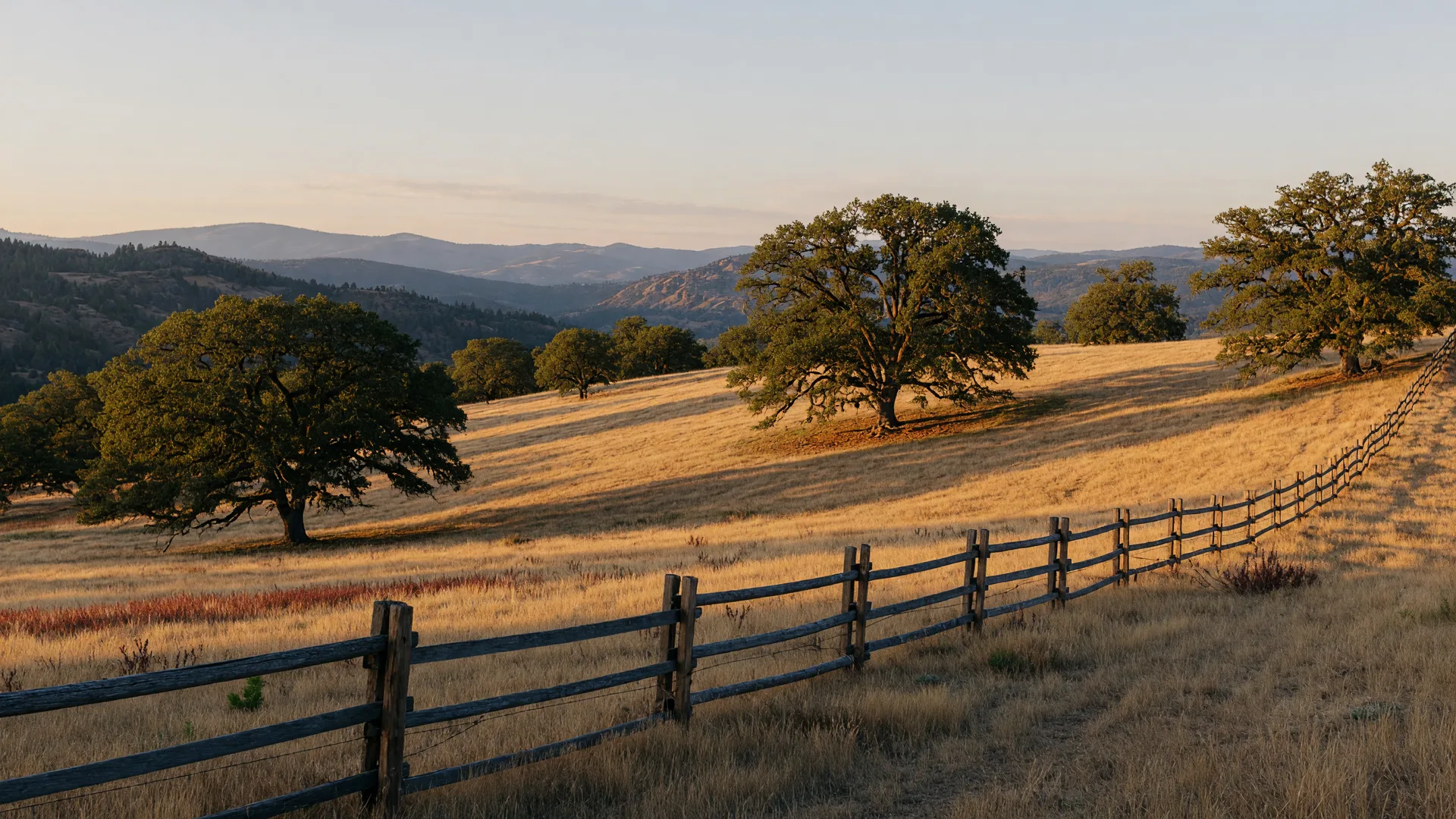
There is no kitchen to remodel and no staging when you sell a piece of land, but there is also no renovated comparable to point to when a buyer asks why the price makes sense. What carries the sale instead is documentation and honest information. Across my years in real estate, including many rural sales in Jackson and Josephine Counties, the parcels that sell smoothly are the ones where the owner answered the feasibility questions before the sign went in the ground. This guide walks through the checks buyers run before they buy acreage, the records to gather before you list, and how vacant land gets priced in Southern Oregon.
If you own a vacant parcel, whether you inherited a family property outside Eagle Point, hold a lot you bought as a future homesite near the Rogue River, or own pasture and oak woodland outside Grants Pass that you no longer use, the same practical framework applies. Even a parcel that is several states away from where you live can be sold cleanly once the answers below are in order.
Why Vacant Land Sells Differently From a House
A house buyer walks through the front door and reacts to the home. A land buyer walks a parcel and runs a checklist. The buyers themselves tend to fall into a handful of groups: builders and contractors looking for a buildable lot, homesteaders and hobby farmers, relocators who want acreage for a future home, investors, and neighbors assembling adjacent ground. The marketing for each group sounds different, but every one of those buyers is asking the same four questions, and your job as the seller is to make the answers easy to find.
That is also why the photos should look honest. A well-kept parcel with mowed grass and a clear boundary photographs dramatically better than an overgrown one, and the listing text should say plainly what the land is, what it allows, and what it does not. Buyers of rural property appreciate straight talk, and straight talk here is what keeps a parcel from sitting while questions go unanswered.
The Four Checks Buyers Make Before They Buy Acreage
Whether the parcel is a two-acre homesite near Jacksonville or twenty acres of oak savanna above Rogue River, the same four checks come up in nearly every serious land purchase. Here they are, and here is what each one means for you as the seller.
Septic Feasibility: Whether a Home Can Be Built at All
A buyer who intends to build needs a way to handle wastewater, and outside city limits in Southern Oregon that means an onsite septic system. The Oregon Department of Environmental Quality (DEQ) regulates these systems, and for a parcel that has never been evaluated, the first step is a site evaluation, which most people simply call a perk test. An onsite specialist digs and records soil test pits in the proposed drain field area, including space for a replacement field, and the result is a site evaluation report that tells a buyer whether a system is feasible and roughly what kind of system would be required.
For you as the seller, two things follow. First, no site evaluation is normally required to list the land; the evaluation is a buyer's feasibility step once they are serious. Second, if the parcel already has a site evaluation or septic approval on file, that paper is genuinely valuable, because it removes the single biggest question a build buyer has. Include it in the listing. DEQ's Medford office handles residential septic permitting for Jackson and Josephine Counties, and a septic professional there can advise on what a specific parcel needs.
Well Water and Water Rights
Every drop of Oregon's water belongs to the public, and using it generally requires a permit or license from the Oregon Water Resources Department (OWRD). The everyday exception is the small domestic use that a household well serves, which is why a parcel with an existing well, or strong prospects of one, is a different proposition from a parcel where water is an open question.
If the land has a well, its construction report, the well log, is filed with OWRD and can be looked up or requested. If the land carries irrigation water or a surface water right, that right is recorded with OWRD and attaches to the land. Water is often the second most important feasibility question a buyer checks, after wastewater, and for good reason: a homesite with no reasonable path to water is a much harder sell, while a parcel with a documented well and its log is ready to present.
Legal Access: A Road You Can Drive Is Not Enough
A property can sit behind a perfectly usable dirt road for forty years and still have no legal access, because physical access and recorded legal access are different things. Lenders and title companies look for frontage on a public road or a recorded easement across the neighboring land. If the parcel is reached only by permission or by long-standing habit, that is the single biggest obstacle a land sale can hit, and it is far better to discover it before you list than in a buyer's title report.
If access is shared across a neighbor's ground, a recorded road maintenance agreement answers the next question every rural buyer asks: who fixes the road and pays for it. Any existing easements and maintenance agreements belong in the information you hand to buyers, the same way a well log or a tax statement does.
Zoning and Land Use: What the Land Is Allowed to Become
Oregon's land use system protects farm and forest land at the state level, and in Exclusive Farm Use (EFU) and forest zones a new dwelling has to meet specific criteria, usually tied to the farm or forest use of the land. In plain terms, a house is not automatically allowed just because the parcel is large. Some parcels are lawfully created, buildable lots; others are resource land that supports farming, timber, recreation, or simply open space.
In Jackson County, the Planning Division of Development Services handles land use questions. In Josephine County, it is the Planning Division of Community Development. A quick call can confirm the zone, whether the parcel is a lawfully created lot of record, and what uses the zone allows. And honest marketing matters here: parcels that are not buildable still sell, often to buyers who want farmland, timber ground, a place for animals, or pure privacy. What sinks a sale is a buyer discovering a limitation that was never stated up front.
What Else Buyers Want to Know
Beyond the four core checks, a handful of smaller questions come up often enough to mention. Power at the lot line adds real value, because bringing electricity in later is a cost a buyer will add to their own math. Boundaries matter: fences in the Rogue Valley often do not match the recorded lines exactly, so if the records are ambiguous, or a fence line has been quietly disagreed with for years, a survey settles it before it becomes a dispute. If there is merchantable timber on the property, its value is separate from the land itself, and a professional forester or timber appraiser can put a documented number on a stand; harvest in Oregon is governed by forest practice rules through the Oregon Department of Forestry, so timber value deserves real numbers, not guesses.
Maintenance plays a quiet role in value too. Oregon counties have authority to address noxious weeds on private property, and an unmanaged, brushy parcel can draw an abatement notice as well as fire risk. Keeping weeds down protects the parcel through dry season and keeps the listing honest. Finally, your tax statement shows the county assessor's value, which is not the same as market value and not a pricing guide. If the parcel carries any special assessment, such as a farm or forestland program, the assessor's office can explain what it means and whether a sale would change it. Tax questions about your own gain are best put to a CPA, and it is worth having that conversation before you commit to a plan.
The Documents to Gather Before You List
The paperwork is not romantic, but it is exactly what separates a smooth land sale from one that stalls. Start gathering these now:
- The recorded deed and a recent title report. Confirms you own the parcel and there are no surprise liens or encumbrances.
- The property tax statement. Shows the account, the assessor's value, and any special assessments.
- A survey or recorded legal description, if you have one.
- The well log and water right documents, if a well or irrigation right exists.
- A septic site evaluation or permit, if one exists.
- Easements and road maintenance agreements.
- County parcel records: the zone, lot of record status, and any conditions or restrictions on the land.
- A timber inventory or appraisal, if timber contributes to the value.
You do not need a mountain of paper to list, but every document you can gather up front is a question you will not have to answer twice during escrow. The article on what documents you need to sell a house in Oregon covers the general list, and the rural property seller guide walks through the acreage-specific records in detail. If the parcel came to you through an inheritance, the ownership side can take a little longer, which is exactly why starting early pays. The article on what to do after inheriting a Southern Oregon property covers that path.
How Vacant Land Gets Priced
Vacant land is priced in dollars per acre, though not in a straight line. Smaller parcels, the two-to-ten acre homesites buyers want for a future house, command more per acre than a large tract, because more potential buyers can afford the smaller total price. The four feasibility items above move the needle more than almost anything else: buildable land with water, legal access, and power at the road out-sells raw ground with open questions by a wide margin. So do views, level usable ground, fencing, and a maintained rather than overgrown feel.
The honest summary is that the price has to reflect what the land is, not what you paid for it decades ago or what you hope it can become. Pricing is where a broker who sells rural property regularly earns the fee: the comparable sales for land are sparse and judgment-heavy, and getting the number right on day one matters more than any single repair on a house. The home valuation guide explains how comparable sales and appraisals work in Southern Oregon, and vacant land follows the same logic with a thinner set of comparables.
Questions Southern Oregon Land Sellers Ask
Is my land buildable?
Only a review of the zone, the lot history, and the physical site answers that. The county planning office confirms the zone and whether it is a lawfully created lot, and a DEQ site evaluation plus well feasibility answer the physical side. None of it is a mystery; it is a series of definite steps, and each one is answerable with a phone call or a report.
Do I need a survey before I list?
Not always. If the boundary is clear in the records and on the ground, many sales proceed on the legal description. If there is any doubt, or if a buyer's lender insists on one, order a survey. Settling the lines before listing avoids the most common source of disputes on rural property.
Do I have to do a perk test before listing?
No. A site evaluation is a buyer's feasibility step, done once a buyer is serious. But if the parcel already has an evaluation or approval on file, include it in the listing materials, because it removes a question before anyone has to ask.
What if my land has timber on it?
Talk to a professional forester or timber appraiser before you price the parcel. Timber value is real and separate from the land, harvest rules are specific, and a documented number beats a guess in both the pricing and the negotiation.
Will I owe taxes when I sell?
That depends on how long you have owned the parcel, how you have used it, and your own financial situation. A CPA or tax professional can model it for you, and it is worth asking before you commit to a plan, especially for inherited or long-held land where the gain may be significant.
How long does it take to sell vacant land?
Generally longer than a well-priced house, because the buyer pool is smaller and the due diligence more patient. A realistic price, good documents, and consistent marketing shorten the road considerably, while overpricing extends it, sometimes by a year or more.
I live out of state. Can I still sell the parcel?
Yes. You do not need to be here to sell here. I can walk the parcel, coordinate the county, title, and maintenance questions locally, and keep you informed at every step. The out-of-area selling guide explains the process, and the answer center covers selling your Oregon property without coming to Oregon directly.
Let's Get Your Land Ready to Sell
Over more than 30 years in real estate, including a good number of rural and vacant land sales across Southern Oregon, I have seen that the parcels that sell are the ones where the owner answered the four checks and put the paperwork in order before the sign went in. I can help you confirm your parcel's zone and lot status, gather the records, coordinate a survey or a timber appraisal when one makes sense, and price the land for the buyers who actually shop for acreage in this valley. If you live far away, that work still gets done. You talk with me directly, and the land gets handled locally.
The rural property seller guide covers acreage and its documentation in depth, the seller resources page organizes everything by topic, and the Southern Oregon Property Seller's Guide walks through the full process whenever you are ready. Or simply reach out and tell me about the parcel; we will figure out the path from there.
Not Sure Where to Start With Your Land?
Book a call and tell me about the parcel, what you know about its zoning and access, and what you want the sale to do for you. You will get a straight answer and a clear plan, whether you are down the road or across the country.