What Does It Cost to Hold a Southern Oregon Property You're Not Using?
Most owners of an unused Southern Oregon property know the mortgage payment. What they often miss is everything else that keeps that property alive every month: property taxes, insurance, utilities kept on, maintenance, and the quiet risk of leaving a home empty. Together those carrying costs can be the real reason a property that looked affordable to keep is costing more than it should.

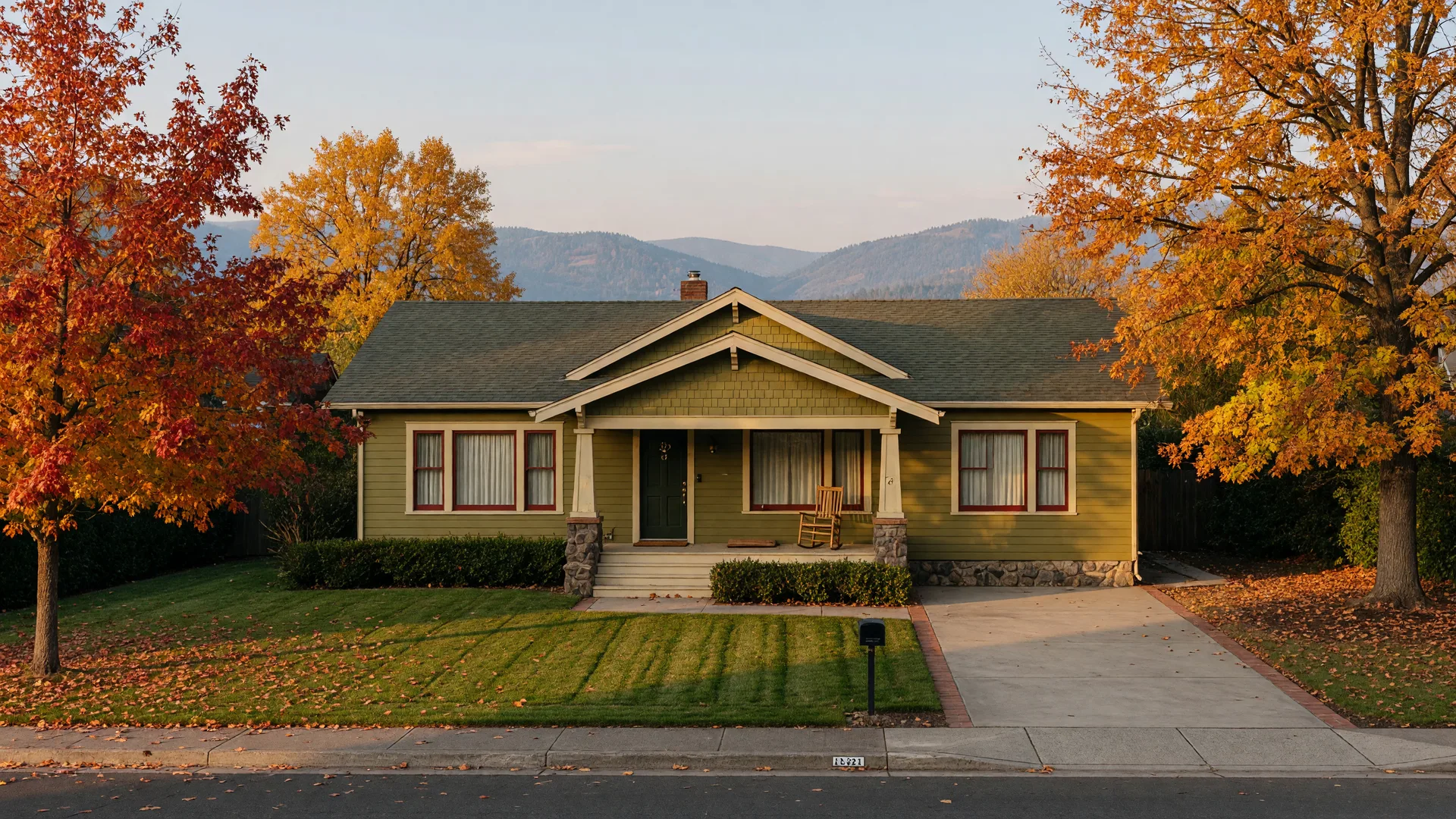
Over 30 years in real estate, I have sat with owners of inherited homes, vacant houses, second homes, and rentals and watched the same pattern. They keep a property they are not using because selling feels like a big decision, and the monthly costs feel small enough to ignore. But those small monthly costs rarely stay small, and they add up to a number that changes the whole decision.
The goal of this article is simple: help you see the full cost of holding an unused Southern Oregon property, so you can decide with clear eyes whether keeping it still makes sense or whether selling is the better use of your money and attention.
What Counts as a Carrying Cost
A carrying cost is anything you pay to keep a property you are not living in. The mortgage is the obvious one, but it is rarely the whole picture. Here is what usually belongs on the list:
- Property taxes. Oregon property tax statements arrive every fall, and the bill is due regardless of whether anyone lives in the house.
- Insurance. Homeowners insurance does not stop when you move out, and a vacant home often needs different coverage than an occupied one.
- Utilities kept on. Most owners keep electricity and, in cold months, heat running so the house stays protected through winter, even when no one is there.
- Maintenance and repairs. Roofs, gutters, water heaters, and systems age whether or not a family is using them. An empty house still needs care.
- Yard, irrigation, and acreage upkeep. In Southern Oregon, a lawn, orchard, pasture, or irrigation system needs attention through the growing season, and weeds and brush are a fire concern in dry months.
- HOA dues. Some neighborhoods and communities charge dues that continue even when a home is vacant.
- Security or monitoring. If you are not there, you may pay for a check-in service, a security system, or a neighbor to watch the place.
Add those together and divide by twelve, and you have a real monthly cost of holding the property. For many owners, that number is far larger than they assumed, especially once insurance and maintenance are included.
The Southern Oregon Numbers That Shape the Math
Some carrying costs are the same anywhere. Others have a distinctly Southern Oregon flavor, and those are the ones I make sure owners see before they decide.
Property tax timing matters every fall
Oregon property tax statements land in mailboxes by late October, and the first payment is due before Thanksgiving. This year the first installment is due Monday, November 16, 2026, and paying the full year's bill by that date earns a 3% discount. For an owner living out of state, a bill sent to an old address is an easy thing to miss, and missing it means interest charges and a lost discount on top of the tax itself. The property tax deadline article walks through the dates and the discount in detail.
Insurance and wildfire are part of the monthly load
Across the Rogue Valley, homeowners insurance is a cost that has grown in recent years, and it can matter as much as the roof when a buyer later looks at the property. A vacant home also changes the insurance picture: many policies limit coverage once a house sits empty, so you may need to switch to a vacancy endorsement or a different policy while no one lives there. The article on home insurance in Southern Oregon and wildfire explains what owners should know, and the answer center answers what happens to your insurance when a house becomes vacant.
Rural properties carry their own ongoing costs
If your unused property is rural, the carrying costs go beyond the house. Wells, septic systems, irrigation, and access roads all need care even when no one is living there. A well that is not used can still need attention, a septic system should not be left to sit without thought, and a dirt access road can wash out in a wet winter. The rural property seller guide and the answer on selling rural property with a well or septic cover what to keep an eye on.
A vacant house is a different kind of cost
An empty home is not a free home. It needs utilities kept on, the heat set to a safe level through winter, and someone to check on it. And the longer it sits empty, the more it costs in risk. The vacant property guide explains the security and upkeep basics, and the article on the risks of leaving a property empty goes deeper into why vacancy is rarely a neutral state.
The Costs That Never Show Up on a Bill
The line items above are the visible carrying costs. The ones that quietly do the most damage rarely appear on a statement.
- Deferred maintenance compounds. A small roof leak or a stuck gutter does not fix itself, and by the time it is discovered the repair is bigger and more expensive than it would have been a year earlier.
- Vacancy risk. An empty home can attract vandalism, pests, or unauthorized occupants. Oregon's HB 3522, effective January 1, 2026, created a faster process for removing squatters, but prevention is still far cheaper than resolution. The squatter law article explains the change.
- Insurance coverage gaps. If a policy is not updated for vacancy and something happens, you may find the coverage you assumed was there is not. That is a cost that only shows up at the worst possible time.
- Opportunity cost. The equity sitting in an unused property is money that could be working for you, whether in another investment, a home you actually live in, or simply freed from risk. That is not a bill, but it is a real cost of holding.
These hidden costs are why a property that "pays for itself" on paper can still be a drain. The monthly tax and insurance bill is only part of the story.
When Holding Still Makes Sense
None of this means every unused property should be sold tomorrow. Holding can be the right call, and it usually is when it is a deliberate choice rather than a default.
- You have a clear plan and a date. A short-term hold with a defined timeline and a budget for the carrying costs is a decision, not a drift. The problem is holding with no plan and no end in sight.
- Tax or legal timing. There are times when selling in a particular tax year or after a particular legal step makes sense. Those decisions deserve a conversation with a CPA or attorney who knows your situation, not a guess.
- You are not trying to time the market. No one can reliably predict next year's prices, and I do not pretend to. Decide based on your own situation and your own numbers, not on a forecast.
- Sentimental reasons, if they are intentional. Keeping a family home for a reason is valid. The key is knowing what it costs you each month and choosing it with your eyes open.
If you are weighing rent versus sale, the rent it or sell it decision framework is a useful companion to this one.
How to Run Your Own Numbers
You do not need an accountant to get a clear picture. Pull together four things:
- Your property tax statement. It shows the annual bill, and it arrived or will arrive by late October.
- Your insurance bill. Your current premium, plus what it would cost if you updated the policy for vacancy.
- Your utility history. The past year of electricity, water, and any heating costs, even if the house was mostly empty.
- Your maintenance log. What you have spent and what you know is coming, from gutter cleaning to a water heater near the end of its life.
Add those up for the year, divide by twelve, and you have your real monthly carrying cost. Then ask yourself what that money could do instead, and whether the property is likely to be worth more to you in the future than it is today. The answer to that question is the decision.
Common Questions About Holding an Unused Property
Do I have to keep utilities on in a vacant house?
In most cases, yes, at least electricity and heat through cold months. A house kept at a safe temperature avoids frozen pipes, and a working system means a leak is caught sooner rather than after it has done damage. The answer center explains whether utilities should stay on in a vacant house.
What happens to my homeowners insurance if the house sits empty?
Many policies limit or end coverage once a home is vacant for a stretch of time. You may need to tell your insurer the house is empty and add a vacancy endorsement or switch to a policy that covers it. Do not assume the coverage you had while living there still applies. See the answer on insurance when a house becomes vacant.
How do I know if I'm overpaying to hold the property?
Run the numbers in this article. If the monthly carrying cost is a real strain, or if the money could clearly do more elsewhere, holding is costing you more than the bills suggest. A conversation about your specific property and its market can make the trade-off concrete.
Is it better to sell now or wait?
There is no universal answer, and anyone who promises one is guessing. The honest answer depends on your carrying costs, your equity, your tax situation, and what you want the money to do next. That is exactly the kind of decision worth talking through with someone who knows your property and the local market.
Let's Look at Your Actual Numbers
Part of my job is helping owners see the full cost of the property they are holding, then decide what to do about it. After more than 30 years in real estate, including mortgage lending early on, I have watched the carrying-cost math decide more sales than any market forecast. I can help you run your numbers, understand what your Southern Oregon property is really costing you, and lay out a clear plan, whether that means selling, holding with a budget, or something in between.
The Southern Oregon Property Seller's Guide covers the full selling process when you are ready, and the seller resources page organizes everything by topic. Or simply reach out and we will take it from there.
Not Sure What Your Property Is Costing You?
Book a call. We will go through your carrying costs, your property's situation, and what the market in your area would do with it. You will get a straight answer and a clear plan.