Selling a Second Home in Southern Oregon: What Owners Should Consider
Many second homes across the Rogue Valley, from the foothills around Medford and Jacksonville to the acreage outside Grants Pass and Ashland, reach a point where they are owned more than they are enjoyed. If you are weighing whether to sell yours, the practical list is short but real: the cost of keeping it, whether to sell furnished, how to prepare a home that sits empty for stretches, and how to manage everything from a distance. This guide walks through each one.

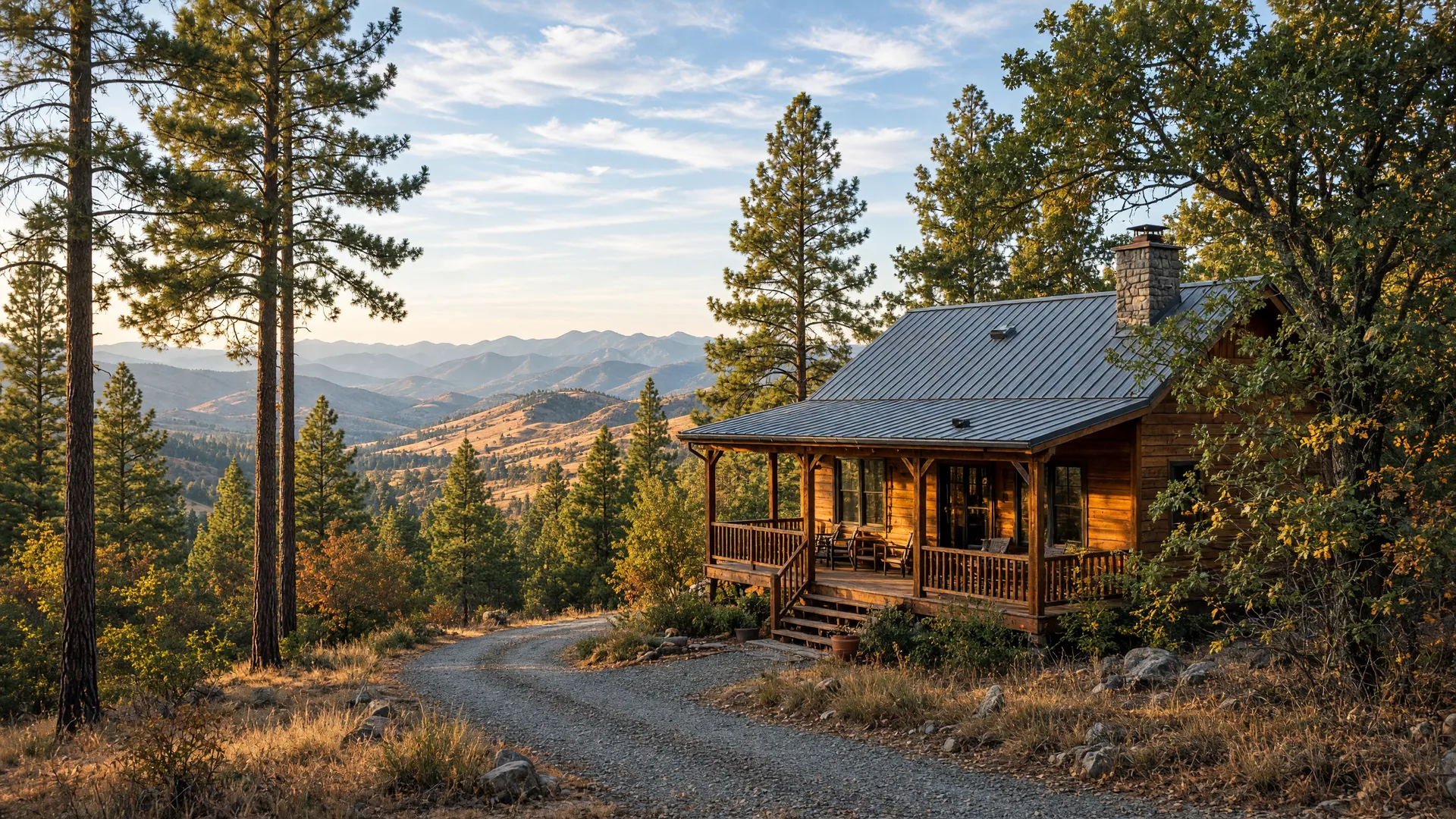
I have sat with a lot of second-home owners over my years in Southern Oregon. The home usually started as something joyful, a weekend escape or a family gathering place, and somewhere along the way it quietly became a set of chores, bills, and worries carried from a distance. The decision to sell is often less about the market and more about clarity: is this home still earning its place in your life, or is it simply costing you?
There is no universal right answer, and a second home can be a wonderful thing to keep. But when selling is on the table, the process has a few wrinkles that a primary-home sale does not. Most of them come down to a home that is used part of the year, often by owners who do not live nearby. This guide covers the decisions and the practical steps, so you can look at your options with a clear head instead of a list of worries.
First, the honest question: keep it, rent it, or sell it?
Before any staging or paperwork, it helps to be honest about how the home actually fits your life. The numbers matter, but so does the emotional reality. A home is a blessing when it adds to your life and a burden when it subtracts from it, and only you can say which one applies.
Selling is not the only option. Some owners decide to rent the home, either short-term or as a longer-term rental, so it at least earns its keep. That is a real choice, and for many properties it works well. But renting brings its own responsibilities, local rules, management, and upkeep, which can feel like more obligation, not less. The article on choosing between renting and selling a Southern Oregon property lays out that decision in detail. Usually you will find the answer by comparing what the home costs to keep against how much you actually use it.
The monthly math of an underused home
A second home carries real costs every month whether you visit or not: property taxes, homeowners insurance, utilities you keep on, and basic upkeep. On acreage there can be more, such as a well, septic, irrigation, or a shared road. When a home sits empty for most of the year, those numbers add up with no enjoyment to offset them. The post on the true cost of holding an unused property walks through how to see the full monthly picture.
The conversation you want to have is simple and practical. What does this home cost you each year to carry, and what would you do with that money if it were freed up? Sometimes the answer is that keeping a beloved retreat is worth every dollar. Sometimes the answer is that the money is better placed elsewhere, and there is genuine relief in letting the home go. Neither answer is right or wrong, but knowing yours makes every later decision easier.
Sell it furnished or clear it out?
One choice every second-home seller faces is whether to sell the home furnished or mostly empty. There is no single right way, and the better fit depends on the home, its price point, and who is likely to buy it.
A furnished sale can be attractive to out-of-area buyers, especially those buying a vacation or weekend home and picturing a turnkey move. It also spares you the logistics and cost of clearing, hauling, storing, or shipping furniture you may not want. A lighter, decluttered interior still photographs beautifully and lets buyers imagine their own things in the space. The key is to decide early, because it changes how you prepare and how the home is presented. If you do sell furnished, you will want a clear list of what stays and what goes before showings begin, so there are no surprises during the buyer's walkthrough at closing. The second-home seller guide walks through the furnished-versus-empty trade-offs in more detail.
Preparing a home that has been sitting
A part-time home needs a slightly different kind of preparation. Homes that sit idle for weeks can develop quiet issues that a lived-in home would not: odor and stale air, a water system that will not be used from a reading on the fixtures, drains that need attention, and deferred maintenance that quietly piles up. Take the time to walk the property as a buyer would and look honestly at worn areas, anything that smells musty, and systems you have not checked in a while.
If your second home sits on acreage with a private well and septic, the rural rules apply to it too. Oregon requires a well water test once an offer is accepted, and buyers on acreage often ask about the septic system, water rights, and legal access. The full breakdown is in the post on selling a home with a well and septic system, and the rural property guide organizes all of it. The earlier you gather your records and address the easy fixes, the smoother the sale goes.
Insurance and wildfire: what is different for a second home
Second homes carry their own insurance considerations, and Southern Oregon's wildfire season is part of that picture. Vacation and seasonal properties can have conditions tied to how the home sits between visits, and some policies have vacancy or limited-use terms, so it is worth confirming your coverage rather than assuming. If the home has defensible space around it, a well-maintained roof and gutters, and a good access road, all of those make it easier to insure and easier to sell.
Wildfire risk and insurance have become topics every Southern Oregon property owner should understand, and the state of coverage is changing. The article on home insurance in Southern Oregon and the FAIR Plan covers what to know. As always, ask your insurance carrier about the specifics of your policy, especially around vacancy and seasonal use.
Marketing to buyers who may be far away
Many second-home buyers in Southern Oregon come from out of the area, drawn by the Rogue Valley lifestyle, the rivers and mountains, the wine country, and the sense of space. That is a genuinely good thing for you as a seller: it means a broad buyer pool, sometimes a fair share of them relocating or buying a retreat after experiencing the area on a visit.
A home that photographs well, warms up well in the listing, and is honest in its details tends to do best with faraway buyers, who are making a leap of faith. It is worth preparing the property the way you would want to walk into it sight unseen. If you specifically want to reach relocators, the post on buying Southern Oregon from out of state shows what those buyers are looking for, which is useful insight from the other side of the table.
Selling from a distance
One of the most common situations I help with is a second-home owner who does not live nearby. You can absolutely sell a Southern Oregon second home from out of state, and it does not have to be stressful. Modern tools make it possible for you to review documents, approve marketing, watch showings through feedback, and close remotely, while a local professional handles the boots on the ground.
The practical steps are laying out a plan, putting clear expectations in writing, and making sure the property is kept presentable between showings, which usually means a local point of contact. The guide on selling your Southern Oregon property from out of state explains exactly how a remote sale works and what to prepare.
Questions Southern Oregon second-home sellers ask
Do I have to pay capital gains when I sell my second home?
Often yes, and it works differently than a primary home. Under federal rules, selling your primary home can qualify for a capital gains exclusion, but a second home generally does not get that same treatment, so a profit may be taxable. Because everyone's situation differs, and Oregon taxes can factor in too, this is a question for a qualified tax or financial professional, not a guess. Get the numbers before you decide, not after.
Should I sell my second home furnished?
It depends on the home and the likely buyer. A turnkey furnished sale appeals to out-of-area and vacation buyers, while a decluttered, lighter interior lets buyers picture their own things. Decide early and be clear about what stays and what goes, because it changes how you prepare and what the buyer expects at closing.
Does a second home need a different insurance policy?
Second homes and seasonal properties can have coverage details tied to limited use, and vacancy clauses matter if the home sits empty for stretches. Confirm your policy with your carrier, especially around the wildfire season. If the home is not occupied, keep it secured and checked on, since vacancy can affect both coverage and the condition of the property.
If the home sits on a well and septic, do the rural selling rules apply?
Yes. A second home on acreage is bound by the same rules as any rural property. Oregon requires a well water test once an offer is accepted, and buyers on acreage commonly ask about the septic, water rights, and legal access. Gather your records and test early when you can.
Can I sell from out of state?
Yes, comfortably. You can approve documents, review showings, and close remotely while a local professional handles the property in person. A clear plan, written expectations, and a local point of contact to keep the home presentable between showings make it run smoothly.
Do I need a home inspection before listing a second home?
Oregon does not require sellers to provide one, and most buyers order their own during due diligence. Still, having a recent inspection of your own, especially on a home that sits idle, helps you find and fix issues before they become negotiation points. The guide on home inspections for Oregon sellers explains how it works.
Let the home serve you, not the other way around
A second home should be a source of enjoyment, and when it stops being that, it deserves a straight conversation about what to do. Whether you decide to keep it, rent it, or sell it, the goal is the same: get to a clear decision you feel good about, on your timetable.
After more than 30 years in real estate, including plenty of Southern Oregon second homes and vacation properties, I know the questions these sales bring up, and I am happy to talk through yours with no pressure and no agenda. If selling is the direction, I can help you weigh furnished versus empty, organize the well and septic details, prepare the home for faraway buyers, and manage the entire sale from wherever you live. The second-home guide and the seller resources page cover the ground, and the Southern Oregon Property Seller's Guide takes you through the whole process. Or simply reach out and we will talk it through.
Ready to Add Clarity to Your Second-Home Decision?
Tell me where your home is, how often you use it, and what it costs you to keep, and I will help you see the decision clearly. A straight answer and a plan, whether you keep it or sell it.